C1 Zoning: Opportunities for Urban Development
Urban development is a complex and intriguing field, particularly when it comes to zoning laws. Zoning regulations guide the orderly growth of urban areas, ensuring that cities can thrive while maintaining livability and economic viability. Among these, C1 zoning holds a special place due to its versatility and potential. This zoning classification not only dictates land use but also influences the economic and social fabric of urban neighborhoods. But what exactly does C1 zoning mean, and what opportunities does it present for urban development? This article aims to demystify C1 zoning, exploring its implications and the potential it holds for community growth and development. By delving into the nuances of C1 zoning, we can better understand how it shapes urban landscapes and contributes to sustainable urban futures.

What is C1 Zoning?
C1 zoning is a classification used in urban planning to designate areas primarily for commercial use. These zones are key components in the urban planning toolkit, serving as catalysts for economic activity and social interaction. These areas typically accommodate retail businesses, restaurants, and sometimes even offices. This setup supports the creation of bustling commercial districts that not only cater to consumer needs but also drive local economies. The idea is to create vibrant commercial hubs that serve the surrounding residential communities, offering an array of services and amenities within close proximity.
Understanding the C1 Zoning Meaning
The “C” in C1 zoning stands for commercial. This zoning type is generally found in urban areas where the goal is to encourage business activity while maintaining an appealing environment for residents. C1 zones are strategically placed to maximize accessibility and convenience for both business owners and customers. C1 zoning is crucial for creating mixed-use developments, which combine commercial, residential, and sometimes industrial uses in one area. These zones are the backbone of city centers, facilitating a blend of activities that contribute to a dynamic urban experience.
Can You Build a House on C1 Zoning?
A common question is whether residential structures can be built in C1 zones. The answer largely depends on local regulations, which can vary significantly. While C1 zoning primarily supports commercial uses, some jurisdictions allow for residential buildings such as apartments or condos, often as part of a mixed-use development. These residential components are typically integrated into the commercial fabric, enhancing the area’s appeal and utility. However, in most cases, standalone single-family homes are not permitted. This limitation is designed to maintain the commercial integrity of the zone and support higher-density developments.
Mixed-Use Developments
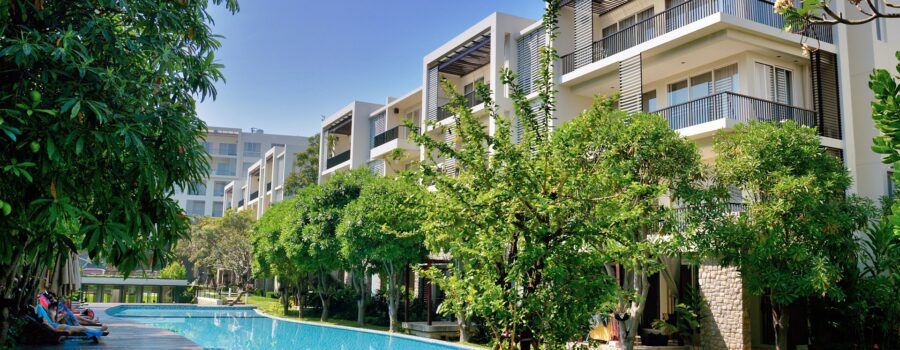
Mixed-use developments are a hallmark of C1 zoning. These projects integrate living spaces with commercial establishments, creating a dynamic environment where people can live, work, and play. By combining these elements, cities can optimize land use and reduce the need for long commutes, which benefits both the community and the environment. These developments often feature a diverse range of services and amenities, from retail shops and restaurants to cultural venues and green spaces. This integration not only supports a vibrant community life but also encourages sustainable urban growth by concentrating activity within a walkable area.
Can You Live in C1 Zoning?
Living in a C1 zoned area is indeed possible, especially in mixed-use developments. These areas are designed to be livable, offering residents the convenience of having amenities like shops, cafes, and entertainment venues within walking distance. This setup can enhance the quality of life by reducing travel time and fostering a sense of community. Such areas offer the convenience of having amenities like shops, cafes, and entertainment venues within walking distance. This accessibility is a significant draw for urban dwellers who prefer a vibrant, bustling neighborhood. Living in these zones means being at the heart of urban activity, which can be both exciting and convenient.
Benefits of Living in C1 Zoned Areas
- Convenience: Proximity to amenities makes daily life easier and more efficient. Residents can enjoy the luxury of walking to work, dining, and entertainment options without the need for lengthy commutes.
- Vibrancy: The mix of residential and commercial spaces creates a lively atmosphere. This blend attracts a diverse population, fostering cultural exchanges and a dynamic social scene.
- Community: These areas often foster a strong sense of community as residents and business owners interact regularly. Regular interaction can lead to a more cohesive and supportive neighborhood environment.
- Sustainability: Reduced reliance on cars can lead to lower carbon emissions. This not only benefits the environment but also promotes healthier lifestyles through increased walking and cycling.
Opportunities for Urban Development with C1 Zoning
C1 zoning offers numerous opportunities for urban development, which can transform a city’s landscape and economy. By facilitating diverse land use, these zones can significantly influence urban growth patterns and community well-being.
Economic Growth
C1 zoned areas can become economic powerhouses by attracting businesses and consumers. The concentration of commercial activities increases foot traffic, which benefits local businesses and encourages new enterprises to set up shop. This growth can lead to job creation and increased tax revenues for the city. Moreover, a thriving commercial district can enhance the city’s reputation as a business-friendly environment, attracting further investment and talent.
Urban Revitalization
C1 zoning can play a crucial role in urban revitalization efforts. By redeveloping underused or neglected areas into thriving commercial centers, cities can breathe new life into neighborhoods. This transformation can increase property values and attract further investment. Successful revitalization can also improve public perceptions of these areas, making them more attractive to both residents and tourists. Revitalized areas often become cultural and social hotspots, contributing to the overall vibrancy of the city.
Improved Infrastructure
As C1 zoned areas develop, there is often a corresponding improvement in infrastructure. Cities may invest in better roads, public transportation, and utilities to support the increased activity. These improvements can enhance the quality of life for residents and make the area more attractive to businesses. An improved infrastructure not only supports current activities but also encourages future growth and development. This can lead to a more efficient and resilient urban environment, capable of adapting to changing needs and technologies.
Sustainability and Smart Growth
C1 zoning aligns well with principles of sustainability and smart growth. By promoting mixed-use developments and reducing the need for long commutes, these areas can contribute to a more sustainable urban environment. Additionally, the dense nature of C1 zoned areas often supports public transportation systems, which can further reduce carbon footprints. These developments encourage green practices and technologies, making cities more resilient to environmental challenges. Emphasizing sustainability in C1 zones can also attract environmentally-conscious businesses and residents, further enhancing the area’s appeal.

Challenges of C1 Zoning
While C1 zoning offers many opportunities, it also comes with challenges that must be addressed to ensure successful urban development. Understanding these challenges is crucial for effective planning and management.
Balancing Commercial and Residential Needs
One of the main challenges is balancing the needs of businesses with those of residents. Noise, traffic, and parking can become issues in densely populated commercial areas. Urban planners must carefully design these spaces to minimize conflicts and ensure harmony between different uses. Strategies such as soundproofing, traffic calming measures, and shared parking solutions can help mitigate these challenges. Ensuring a balanced approach can enhance the livability of these areas while maintaining their economic vitality.
Zoning Regulations and Compliance
Navigating zoning regulations can be complex, and compliance is essential for any development project. Developers must work closely with local authorities to ensure that their plans align with zoning laws and community goals. This process can be time-consuming and may require significant negotiation and compromise. Understanding the regulatory landscape is critical for avoiding potential legal and financial pitfalls. Compliance ensures that developments contribute positively to the community and adhere to safety and environmental standards.
Maintaining Affordability
As C1 zoned areas become more desirable, there is a risk of property values increasing, which can lead to gentrification and reduced affordability. Urban planners and policymakers must consider strategies to maintain affordability for existing residents while encouraging new development. This can include implementing affordable housing mandates, offering incentives for inclusive development, or supporting community land trusts. Maintaining affordability is key to ensuring that C1 zones remain accessible to a diverse population, preserving their social and economic diversity.
Conclusion
C1 zoning presents numerous opportunities for urban development, offering a path to economic growth, urban revitalization, and sustainable living. However, it requires careful planning and management to balance the diverse needs of businesses and residents. By leveraging the potential of C1 zoning, cities can foster environments that are both economically vibrant and socially inclusive.
By understanding the potential and challenges of C1 zoning, city planners, developers, and communities can work together to create vibrant, thriving urban environments that benefit everyone. Embracing C1 zoning as a tool for strategic urban development can unlock new opportunities for enhancing the quality of life across urban landscapes.
In conclusion, C1 zoning is more than just a commercial designation; it’s a tool for building better cities. By embracing its potential, we can unlock new opportunities for urban development that enhance the quality of life for all residents. Through thoughtful planning and collaboration, C1 zoning can help create sustainable, inclusive, and dynamic urban futures.

Jason Somers, President & Founder of Crest Real Estate
With over 15 years of professional experience in the Los Angeles luxury real estate market, Jason Somers has the background, judgement and track record to provide an unparalleled level of real estate services. His widespread knowledge helps clients identify and acquire income producing properties and value-ad development opportunities.
Learn more about Jason Somers or contact us.