Material & Labor Shortages: How They Affect Permit Timelines in Los Angeles
In the bustling construction world of Los Angeles, keeping projects on schedule is crucial. However, material and labor shortages have thrown a wrench into the planning of many construction projects. Understanding the impact of these shortages on permit timelines is essential for builders, developers, and homeowners alike. The city’s rapid growth and the constant demand for new infrastructure only intensify the pressure, making it all the more necessary to navigate these challenges effectively.
These shortages don’t just affect timelines—they also impact costs, quality, and the feasibility of projects. A comprehensive understanding of these issues is critical for anyone involved in the construction industry in Los Angeles. From small residential projects to large-scale commercial developments, the ability to anticipate and mitigate these challenges can mean the difference between success and costly setbacks.

Supply Chain Challenges
The construction industry is experiencing significant supply chain challenges that are causing delays in material deliveries. These disruptions are largely due to global factors, including the COVID-19 pandemic, which has affected manufacturing and transportation worldwide. When materials are delayed, construction projects can’t start or continue as planned, creating a domino effect of delays. Compounding these issues are geopolitical tensions and trade policies that have further complicated international supply chains.
Additionally, local factors such as port congestion and transportation bottlenecks contribute to the unpredictability of material availability. As goods struggle to reach their destinations on time, construction schedules are thrown off balance, leading to increased pressure on project managers and stakeholders to find alternative solutions. This has forced many in the industry to rethink their supply chain strategies, seeking more reliable and diversified sources to mitigate risks.
Building Material Shortage
Building material shortages are a specific aspect of the broader supply chain challenges. Essential materials like lumber, steel, and concrete have been in short supply. This scarcity not only inflates costs but also extends the time needed to acquire necessary materials, which in turn, delays the permitting process and overall project timelines. The ripple effect of these shortages can be seen in the rising prices of housing and commercial spaces in Los Angeles.
In response to these shortages, some builders are exploring alternative materials and construction methods, such as prefabricated components and sustainable materials. These approaches can help circumvent some of the issues associated with traditional materials, though they come with their own set of challenges and require careful consideration and planning. By staying informed about emerging trends and innovations, developers can better navigate the complexities of material shortages.
The Impact on Permit Timelines in Los Angeles
Extended Permit Processing Times
With material shortages, construction projects face delays even before they break ground. Permits are a necessary step in any construction project, and when materials are scarce, the processing of these permits can be prolonged. The Los Angeles Department of Building and Safety (LADBS) has seen an increase in permit applications as projects pile up waiting for materials, which stretches their processing capabilities. This backlog not only frustrates developers but also strains the resources of city departments tasked with managing these applications.
Moreover, the increased volume of permit applications can lead to errors and oversights, further complicating the approval process. Developers and contractors must remain vigilant, ensuring that their submissions are complete and accurate to avoid additional delays. This situation underscores the need for improved communication and collaboration between stakeholders, as well as potential reforms in the permitting process to enhance efficiency and responsiveness.
Increased Complexity in Planning
The shortages also add complexity to the planning stages of construction projects. Developers and builders must factor in potential delays and increased costs when applying for permits. This often requires more detailed planning and documentation, which can further slow down the permit approval process. The necessity to incorporate contingency plans and alternative sourcing strategies into project proposals has become more pronounced.
Additionally, the unpredictability of material availability requires planners to be more adaptable and creative. They must constantly reassess and adjust project timelines and budgets, which can lead to increased project management overhead. The complexities introduced by these shortages necessitate a more collaborative approach, where stakeholders work closely together to identify and implement effective solutions.
Labor Market Trends
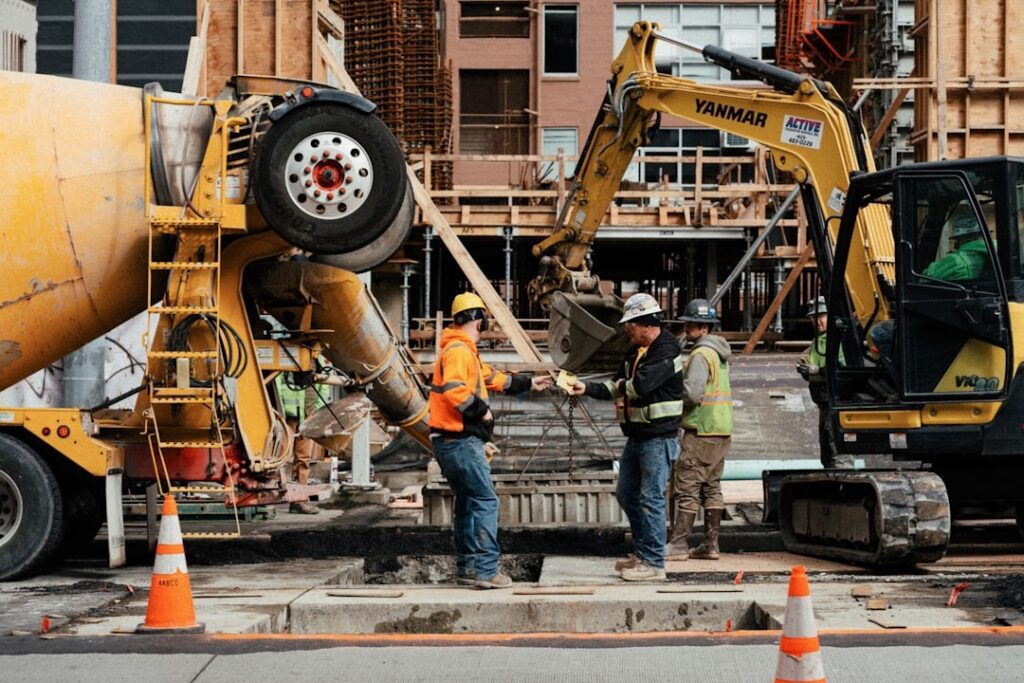
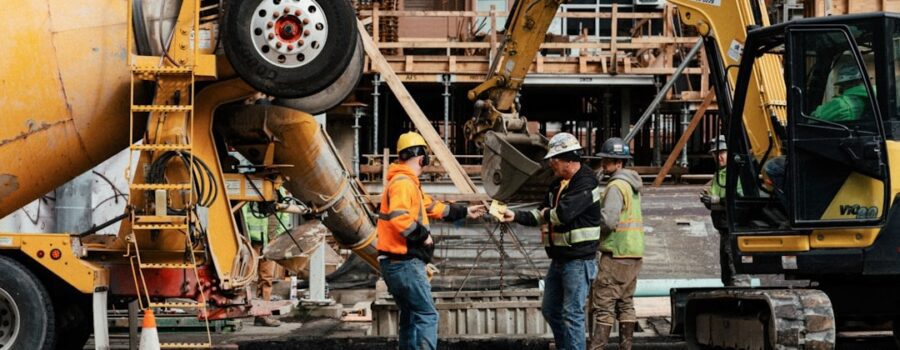
Labor market trends also influence permit timelines. A shortage in skilled labor means that even when permits are approved, projects might not progress if there aren’t enough workers. The competition for skilled labor in Los Angeles is fierce, adding another layer of complexity to construction planning. This scarcity has driven up wages and increased the bargaining power of skilled workers, impacting project budgets and timelines.
In response, many companies are investing in training programs to develop their workforce and attract new talent to the industry. Additionally, there is a growing emphasis on technology and automation to help bridge the gap left by the labor shortage. By leveraging these tools, companies can improve efficiency and reduce their reliance on manual labor, thus mitigating some of the impacts of the labor shortage on their projects.
Strategies to Mitigate the Impact
Early Planning and Flexibility
Early and flexible planning can help mitigate some of the delays caused by material and labor shortages. By anticipating potential shortages and incorporating flexibility into project timelines, developers can reduce the impact on permit timelines. This proactive approach requires a thorough understanding of market trends and a willingness to adapt plans as conditions change.
Flexibility in project management also means being open to alternative solutions, such as adjusting project scope or timelines to accommodate material and labor availability. By maintaining open lines of communication with suppliers, contractors, and other stakeholders, developers can better anticipate challenges and respond effectively, minimizing disruptions and keeping projects on track.
Diversifying Material Sources
To combat material shortages, developers should consider diversifying their material sources. This strategy can help ensure that projects have access to necessary materials even if one supply chain is disrupted. By building relationships with multiple suppliers and exploring alternative materials, developers can increase their resilience to supply chain disruptions.
This diversification strategy also involves staying informed about global market trends and potential risks that could impact material availability. By proactively managing their supply chains, developers can reduce their vulnerability to sudden disruptions and maintain a steady flow of materials to their projects. This approach not only aids in mitigating current shortages but also prepares developers for future challenges.
Leveraging Technology
Technology can play a significant role in navigating these challenges. Digital tools can streamline the permit application process and improve communication between project stakeholders, which can help reduce delays. Technologies such as Building Information Modeling (BIM) and project management software enable more efficient planning and execution, helping to coordinate efforts across teams and reduce the risk of errors.
Moreover, advancements in construction technology, such as 3D printing and automated machinery, offer innovative ways to overcome material and labor shortages. These technologies allow for faster and more cost-effective construction, potentially offsetting some of the challenges posed by traditional methods. Embracing these innovations can position developers to better manage their projects in an increasingly complex environment.

The Future Outlook
While the current landscape presents challenges, there is hope on the horizon. Efforts are being made to stabilize supply chains and increase the availability of both materials and skilled labor. Moreover, the adoption of innovative construction technologies promises to make the industry more resilient against future disruptions. Collaborative efforts between government, industry leaders, and educational institutions aim to address the root causes of these shortages and develop long-term solutions.
In Los Angeles, understanding these trends and adapting strategies accordingly will be key to navigating the effects of material and labor shortages on permit timelines. As the industry evolves, continued investment in technology, workforce development, and supply chain resilience will be crucial. By staying proactive and adaptable, the construction industry in Los Angeles can overcome these challenges and continue to thrive in the face of adversity.
Conclusion
Material and labor shortages have a pronounced impact on permit timelines in Los Angeles, affecting both the start and progression of construction projects. By understanding these challenges and implementing strategic planning, diversification, and technology solutions, developers and builders can better manage their projects and maintain progress in the face of adversity. As the industry continues to adapt, staying informed and prepared will be essential for success in the dynamic construction landscape of Los Angeles. Adopting a forward-thinking mindset and embracing innovation will be key to not only overcoming current obstacles but also positioning the industry for future growth and success.

Jason Somers, President & Founder of Crest Real Estate
With over 15 years of professional experience in the Los Angeles luxury real estate market, Jason Somers has the background, judgement and track record to provide an unparalleled level of real estate services. His widespread knowledge helps clients identify and acquire income producing properties and value-ad development opportunities.
Learn more about Jason Somers or contact us.