Essential Fire Resistant Materials for Home Construction
Before diving into specific materials, it’s essential to understand what fire resistance means. Fire resistance refers to the ability of a material to withstand fire or give protection against it. It’s not just about preventing a fire from starting but also about containing it and minimizing the damage it can cause. Fire-resistant materials can prevent or slow the spread of fire, providing you with more time to evacuate and reducing the damage to your property. This is crucial in allowing firefighters more time to respond and contain the blaze, potentially saving lives and reducing the extent of property loss.
Fire resistance is typically measured by how long a material can withstand direct exposure to flames before it starts to break down or lose its structural integrity. This property is vital in construction materials as it can mean the difference between a small, contained incident and a catastrophic loss. Understanding these properties helps homeowners and builders make informed choices about which materials to use and where to install them to maximize fire safety. Additionally, knowing the fire resistance ratings of various materials can aid in compliance with local building codes and regulations, ensuring both safety and legality in construction projects.
Using Concrete in Home Construction
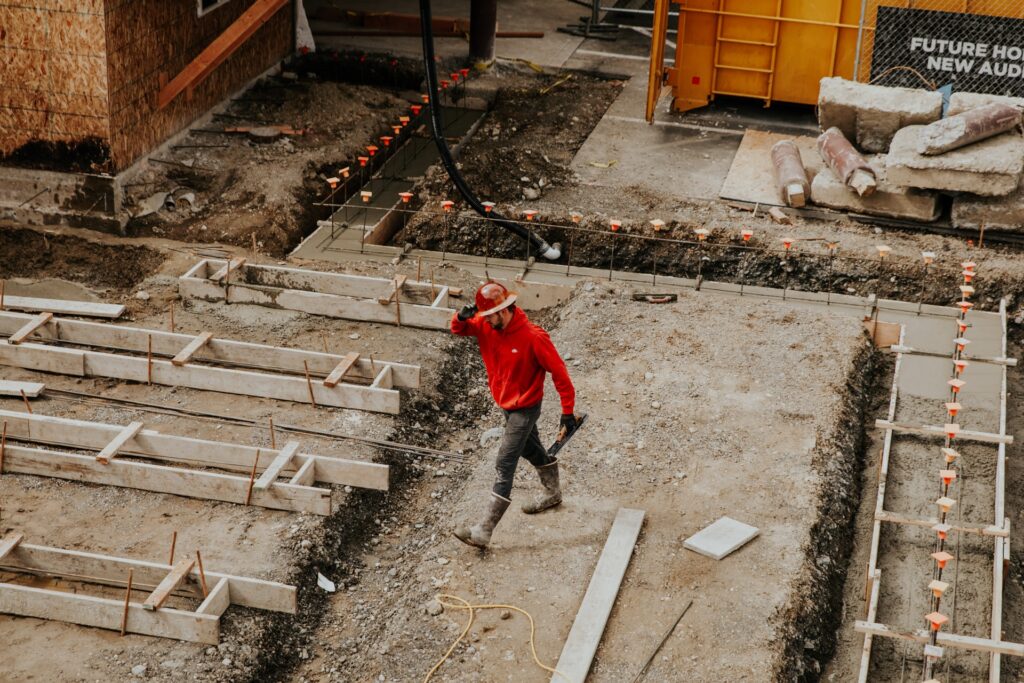
Concrete is one of the most common fire-resistant materials used in construction. It’s non-combustible and doesn’t emit toxic fumes when exposed to high temperatures, making it an excellent choice for building walls, floors, and ceilings. Concrete’s density and low thermal conductivity mean it can withstand fire for extended periods, providing a robust barrier against flames. Its versatility allows it to be used in various forms, from precast panels to poured slabs, offering both structural support and fire resistance.
Furthermore, concrete’s fire-resistant qualities make it an ideal choice not only for residential buildings but also for commercial and industrial structures. Its ability to maintain structural integrity in high temperatures helps prevent collapse during a fire, which is critical for allowing time for evacuation and firefighting efforts. Additionally, concrete is relatively easy to maintain and can be used in conjunction with other materials to enhance overall fire resistance. Its durability and longevity contribute to its cost-effectiveness, as it doesn’t require frequent replacement, making it a sustainable choice for long-term construction projects.
Bricks in Fire-Resistant Construction
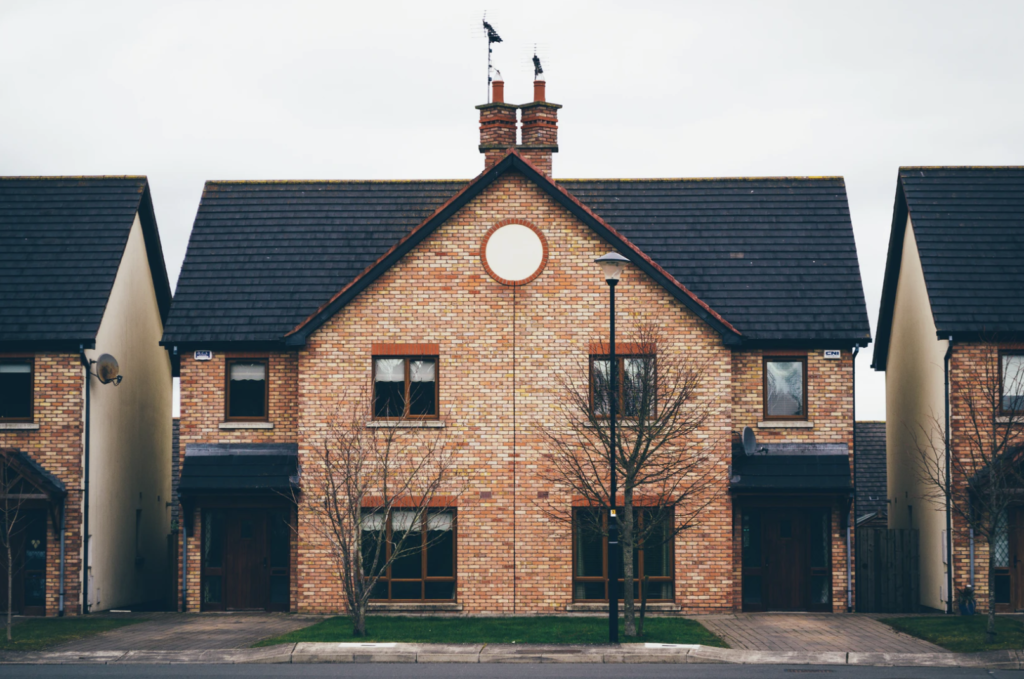
Bricks are another popular choice for fire-resistant construction. Like concrete, bricks are non-combustible and can endure extreme heat without compromising their structural integrity. Brick walls are not only fire-resistant but also offer excellent insulation, helping to maintain a comfortable indoor temperature. This dual functionality makes brick an appealing option for those looking to combine safety with energy efficiency in their home design.
Moreover, bricks are aesthetically versatile, available in a range of colors, sizes, and finishes, allowing for creative architectural designs while still prioritizing safety. The natural thermal mass of brick contributes to its fire-resistant properties, absorbing heat and slowing its transfer to other building materials. This characteristic makes brick an effective barrier against fire spread, protecting interior spaces from external threats. Additionally, bricks require minimal maintenance and have a long lifespan, providing both durability and fire safety over many years.
Drywall Materials
Gypsum, particularly in the form of drywall, is widely used in interior walls and ceilings. Gypsum boards contain chemically combined water, which, when exposed to fire, releases steam. This process helps in slowing down heat transfer, making gypsum an effective fire-resistant material. It’s often used in fire-rated wall assemblies to enhance safety, providing an additional layer of protection in residential and commercial buildings.
In addition to its fire-resistant properties, gypsum is an affordable and readily available material, making it a practical choice for many builders and homeowners. Its ease of installation and versatility in design further contribute to its popularity in construction. Gypsum can be used in conjunction with other fire-resistant materials to enhance overall safety, creating a comprehensive fire protection system within a building. Moreover, gypsum’s ability to be painted or finished in various ways allows for aesthetic flexibility, ensuring that safety doesn’t come at the expense of design.
Fire-Resistant Insulation
When it comes to insulation, choosing a fire-resistant option is crucial. Materials like mineral wool and fiberglass are excellent choices for fire-resistant insulation. Mineral wool, made from volcanic rock or iron-ore waste, has a high melting point and can block flames effectively. Fiberglass, made from fine glass fibers, is also non-combustible and can withstand high temperatures, making it a reliable option for those seeking to enhance their home’s fire safety without compromising on insulation efficiency.
Fire-resistant insulation not only helps to prevent the spread of fire but also contributes to energy efficiency by reducing heat loss. This dual benefit makes it an attractive choice for eco-conscious homeowners looking to improve both safety and sustainability. Additionally, these materials are resistant to mold and mildew, further enhancing the health and longevity of the building. Proper installation is key to maximizing their effectiveness, ensuring that there are no gaps or compressions that could compromise their fire-resistant properties. By choosing the right insulation, homeowners can enjoy a safe, comfortable, and energy-efficient living environment.
Additional Fireproof Building Materials
In addition to the structural elements, there are various fireproof building materials that can be used throughout the home. For example, fiber cement siding is a popular choice for exterior cladding due to its non-combustible nature. It’s made from a mix of cement, sand, and cellulose fibers, providing a durable and fire-resistant solution for your home’s exterior. This material not only offers protection from fire but also from weather-related damage, making it a versatile option for various climates.
Beyond fiber cement siding, there are other fireproof materials like fire-rated doors, windows, and roofing materials that can be integrated into a home design. These products are specifically designed to resist fire penetration, providing a comprehensive approach to fire safety. Fireproof building materials also often come with aesthetic options, allowing homeowners to choose designs that complement their architectural style while ensuring maximum protection. By incorporating these materials into your home construction, you can create a cohesive and comprehensive fire safety strategy that addresses both interior and exterior vulnerabilities.
Steel for Strength, Durability, Fire-Resistance
Steel is renowned for its strength and durability, and it’s also fire-resistant. Steel framing can maintain its structural integrity during a fire, providing a safe framework for your home. While steel can conduct heat, it doesn’t combust, making it a suitable choice for beams and columns in fire-prone areas. Its use in construction can significantly enhance a building’s fire resistance, providing peace of mind for homeowners concerned about fire safety.
In addition to its fire-resistant properties, steel is a sustainable material that can be recycled and reused, reducing the environmental impact of construction projects. Its versatility allows it to be used in various structural applications, from framing to roofing, offering robust support and safety. Steel’s strength-to-weight ratio also contributes to its effectiveness in construction, allowing for innovative designs that maximize space and safety. By incorporating steel into your home design, you can achieve a balance between safety, sustainability, and modern architectural aesthetics.
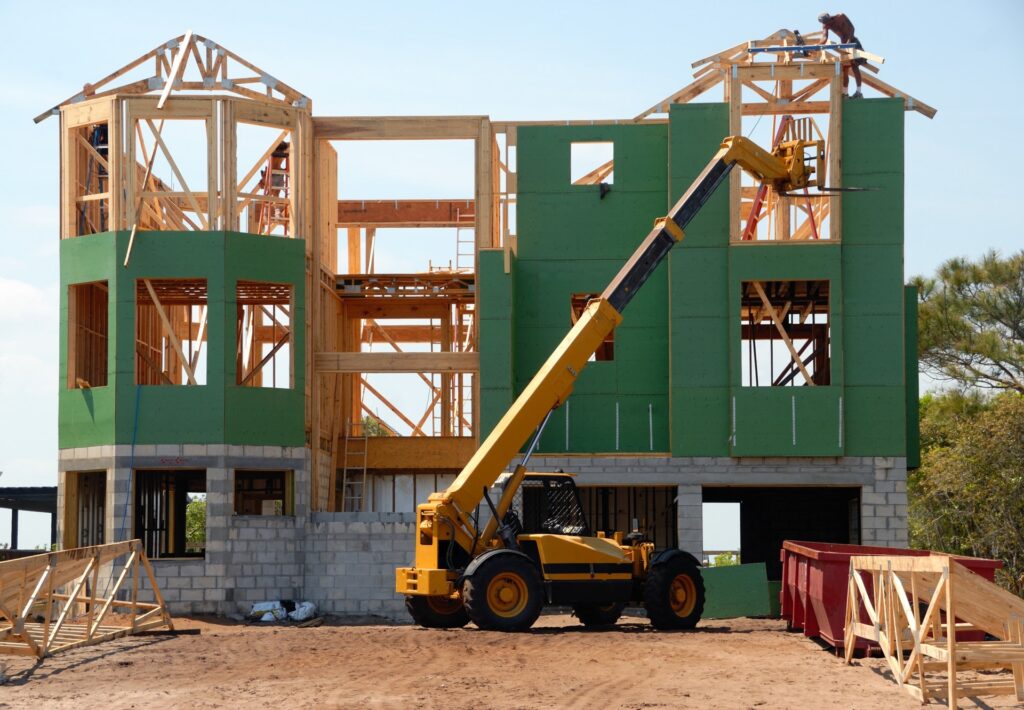
Installing fire-resistant materials is not just about choosing the right products; it’s also about proper installation. Ensure that materials are fitted according to manufacturer guidelines and local building codes. For instance, when installing fire-resistant insulation, make sure there are no gaps or compressions that could reduce its effectiveness. Proper installation is critical in ensuring that these materials function as intended, providing the maximum level of protection in the event of a fire.
Working with Fire-Permit Experts
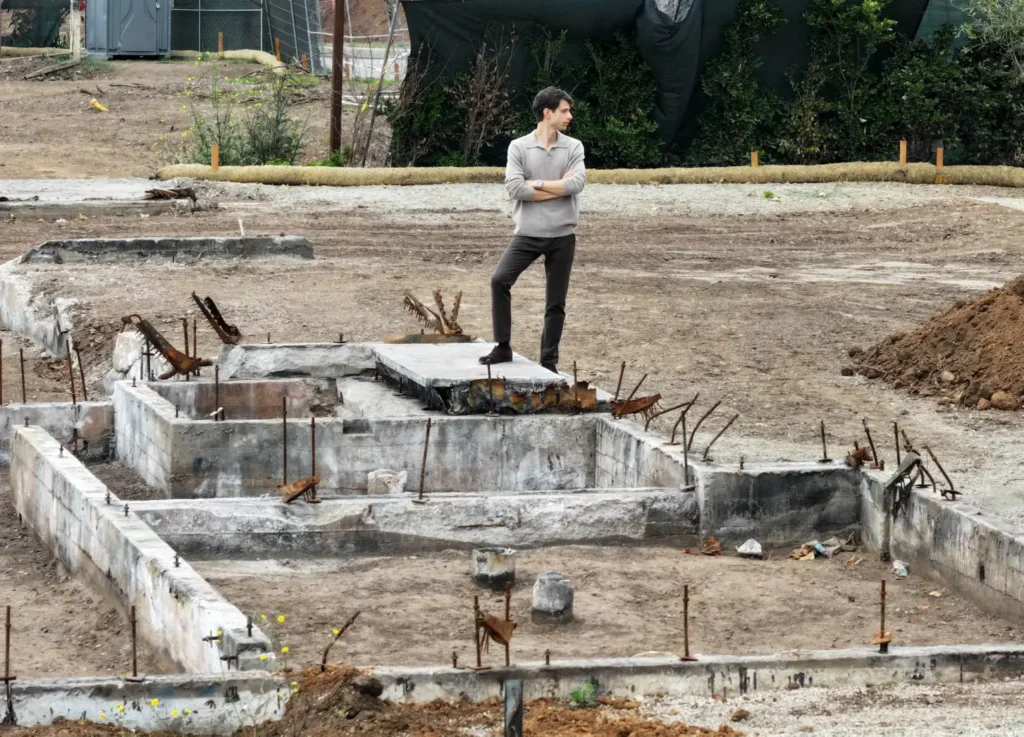
It’s also important to work with experienced professionals who understand the nuances of installing fire-resistant materials. They can ensure that all components are integrated seamlessly, providing a cohesive barrier against fire. Additionally, regular maintenance and inspections can help identify potential weaknesses or areas that may require reinforcement. By taking a proactive approach to installation and maintenance, you can ensure that your home remains a safe and secure environment for years to come.
Using fire-resistant materials in home construction offers several benefits:
- Enhanced Safety: Fire-resistant materials provide an added layer of protection, reducing the risk of fire spread and giving occupants more time to evacuate. This additional time can be crucial in ensuring the safety of your family and allowing emergency services to respond effectively.
- Property Protection: By slowing down fire spread, these materials help minimize property damage, preserving your investment. This not only reduces repair costs but also maintains the value of your property over time.
- Insurance Benefits: Homes built with fire-resistant materials may qualify for lower insurance premiums, as they pose a reduced risk to insurers. This can result in significant savings over the life of your home, offsetting initial construction costs.
- Environmental Impact: Many fire-resistant materials, like concrete and steel, are durable and have a long lifespan, reducing the need for frequent replacements and contributing to sustainability. This durability also means fewer resources are required for repairs and replacements, further minimizing environmental impact.
These benefits underscore the importance of investing in fire-resistant materials, not just for immediate safety but for long-term financial and environmental advantages. By choosing materials that offer protection, durability, and sustainability, you can create a home that is not only safe but also cost-effective and environmentally responsible.
While fire resistance is a critical factor, it’s not the only consideration when selecting materials for your home. Here are a few other aspects to keep in mind:
- Cost: Fire-resistant materials can vary in cost, so it’s essential to balance safety with your budget. Consider the long-term savings in maintenance and insurance when evaluating costs. Investing in quality materials upfront can save money in the long run by reducing repair costs and lowering insurance premiums.
- Aesthetics: Some fire-resistant materials may offer more design flexibility than others. For instance, fiber cement siding can mimic the appearance of wood or stucco while providing fire resistance. It’s important to choose materials that not only enhance safety but also complement the overall design and aesthetic of your home.
- Compatibility: Ensure that the materials you choose are compatible with other building components and the overall architectural style of your home. This includes considering how different materials interact and whether they meet local building codes and regulations. Compatibility can affect both the effectiveness of the materials and the overall integrity of the structure.
By taking these considerations into account, you can make informed decisions that balance safety, cost, and design, creating a home that meets your needs and preferences while prioritizing fire safety.
Incorporating fire-resistant materials into your home construction is a wise decision that enhances safety and provides peace of mind. From concrete and brick to gypsum and fire-resistant insulation, there are numerous options to consider. By understanding the properties and benefits of these materials, you can make informed decisions that protect your home and loved ones from the threat of fire.
Remember, fire safety is a combination of using the right materials, proper installation, and regular maintenance. Stay proactive in your approach, and you’ll create a home that’s not only beautiful but also safe and resilient. By prioritizing fire-resistant materials, you invest in the long-term safety and security of your home, ensuring that it remains a sanctuary for you and your family for years to come.

Jason Somers, President & Founder of Crest Real Estate
With over 15 years of professional experience in the Los Angeles luxury real estate market, Jason Somers has the background, judgement and track record to provide an unparalleled level of real estate services. His widespread knowledge helps clients identify and acquire income producing properties and value-ad development opportunities.
Learn more about Jason Somers or contact us.