The Complete Guide to LADBS Permits: Types, Requirements, and How to Apply in Los Angeles
You’ve finally decided to remodel that tired 1950s kitchen, but a major hurdle stops most homeowners before the sledgehammer even swings: the Los Angeles Department of Building and Safety (LADBS). It often feels like an intimidating black box of endless bureaucracy designed to delay your project. Proper preparation and understanding of the system eliminates this frustration.
Think of this approval like getting a permission slip from the local government. Rather than acting as arbitrary red tape, these documents provide a crucial safety roadmap where the city simply checks your homework before construction begins. In practice, real estate industry data reveals that pulling proper Los Angeles permits directly protects your property value while ensuring your family’s structural well-being.
Skipping this essential step frequently triggers the infamous unpermitted work nightmare. While bypassing the system might seem like the path of least resistance initially, the steep penalties for building without a permit can easily crash a future home sale during escrow. Treat the building department as a collaborative partner rather than an obstacle, and you will secure lasting peace of mind alongside legal compliance.
Does Your Project Actually Need a Permit?
Figuring out your building permit requirements in Los Angeles doesn’t require a law degree, just a clear line between “updating” and “altering.” Cosmetic changes—like swapping outdated tile or painting walls—rarely raise eyebrows at the city. However, the moment your renovation changes how your home is supported or functions, you cross into the realm of structural vs non-structural permits. Moving a load-bearing wall to create that open-concept kitchen? That’s structural and requires the city’s safety net. Even non-structural upgrades, like adding new outlets for a kitchen island or replacing a water heater, trigger electrical and plumbing permits because they impact the core safety systems hidden behind your drywall.
Outdoor additions introduce another layer of rules called Los Angeles zoning code compliance, which simply ensures your new deck or tall privacy fence doesn’t accidentally cross your neighbor’s property line. If your weekend DIY plan falls into the right-hand column above, don’t panic. The city separates these applications based on how complicated the project is, meaning your next step is just choosing the right lane: Express Permits vs. Plan Check.
Choosing the Right Lane: Express Permits vs. Plan Check
Navigating the world of permits is much like choosing where to eat: you have the fast-food drive-thru and the sit-down restaurant. For straightforward residential fixes, the city offers an instant lane through LADBS express permits. These act like a quick takeout order, letting you pull an “E-Permit” online instantly to keep your timeline moving. Conversely, complex renovations require the LADBS plan check process steps. Think of Plan Check as a sit-down meal where a “chef”—a city engineer—must carefully review your specific “recipe” (blueprints) to ensure the design won’t cause safety hazards down the line.
Fortunately, meeting the express permit eligibility criteria typically means you are directly replacing existing equipment without altering your home’s structural footprint.
Common homeowner projects eligible for this fast lane include:
- Swapping out an old water heater
- HVAC change-outs (like replacing an aging roof AC unit)
- Minor electrical repairs (such as upgrading a subpanel)
When a project falls outside that quick-fix checklist, you must prepare for a detailed review. Plan Check acts as a crucial safety net for major transformations, serving as a second pair of expert eyes before any sledgehammers swing. While securing these standard LADBS permits takes longer, this thorough review protects your family from structural failures and prevents costly resale headaches.

You can actually tackle city paperwork straight from your living room using the department’s digital portal. For major remodels requiring a detailed review, an electronic plan check submission guide shows you exactly how to upload your blueprints digitally—known as an e-Plan—saving you a stressful trip downtown. Before clicking submit, be sure to consult the official LADBS permit fee schedule. Doing this upfront allows you to accurately budget for both the initial review and the final permit without getting hit by surprise costs.
Moving your project from a digital file to an approved permission slip follows a predictable path. Whether you need an instant fast-lane permit or a standard safety review, just follow this 5-step roadmap:
- Create Login: Start at the LADBS online permit system login page to register for a secure account.
- Submit Documents: Upload your straightforward forms or complex architectural drawings.
- Pay Fees: Process your initial application charges directly through the portal.
- Plan Review: Wait for city engineers to verify your design meets local safety codes.
- Issuance: Print your officially approved permit and confidently begin your renovation.
After your paperwork enters the system, you never have to wait in the dark. Anyone can easily learn how to check LADBS permit status simply by typing their assigned project number into the LADBS permit search tool located on the homepage. Tracking this progress gives you absolute peace of mind as your application approaches the finish line.
Building Your Dream ADU: Specific Requirements for Los Angeles ‘Granny Flats’
The most popular renovation in Southern California is transforming a garage into an Accessory Dwelling Unit (ADU)—often called a granny flat. Because these projects create independent living quarters, they bypass instant Express permits and require a detailed Plan Check review. To qualify for the standard pathway, your conversion must sit on a single-family lot, observe specific boundary setbacks, and include dedicated kitchen and bath facilities. Grasping these foundational ADU construction requirements Los Angeles enforces saves you from expensive redesigns down the line.
Even with professional blueprints, many homeowners hit frustrating roadblocks during the city’s evaluation. The three most common reasons for permit denial involve failing to address off-street parking replacement rules, violating minimum clearance distances from overhead power lines, and missing mandatory energy-efficiency standards for insulation. Rather than receiving a quick green light, these easily overlooked zoning errors force your project into a cycle of costly corrections and delayed timelines.
Navigating intricate local codes quickly drains your patience, which is why complex hillside additions or tricky lot boundaries often justify bringing in outside muscle. By hiring a permit expediter in LA—a specialized professional acting as a dedicated guide for your paperwork—you gain an advocate who resolves bureaucratic snags directly with city engineers. Once your plans are officially approved, the final challenge is proving the physical construction actually matches those stamped blueprints.
Passing the Finish Line: How to Schedule and Ace Your LADBS Inspections
With your approved blueprints in hand and construction underway, the city must verify your physical work actually matches the plan. Mastering the LADBS inspection request procedure is surprisingly simple; you can schedule a site visit directly through the department’s website or their mobile app. However, the most expensive error eager homeowners make is hanging drywall before an inspector officially signs off on the “rough” framing, plumbing, and electrical wiring. Whether you are navigating complex commercial vs residential building permits, covering up uninspected work guarantees you will be tearing those expensive new walls right back down.
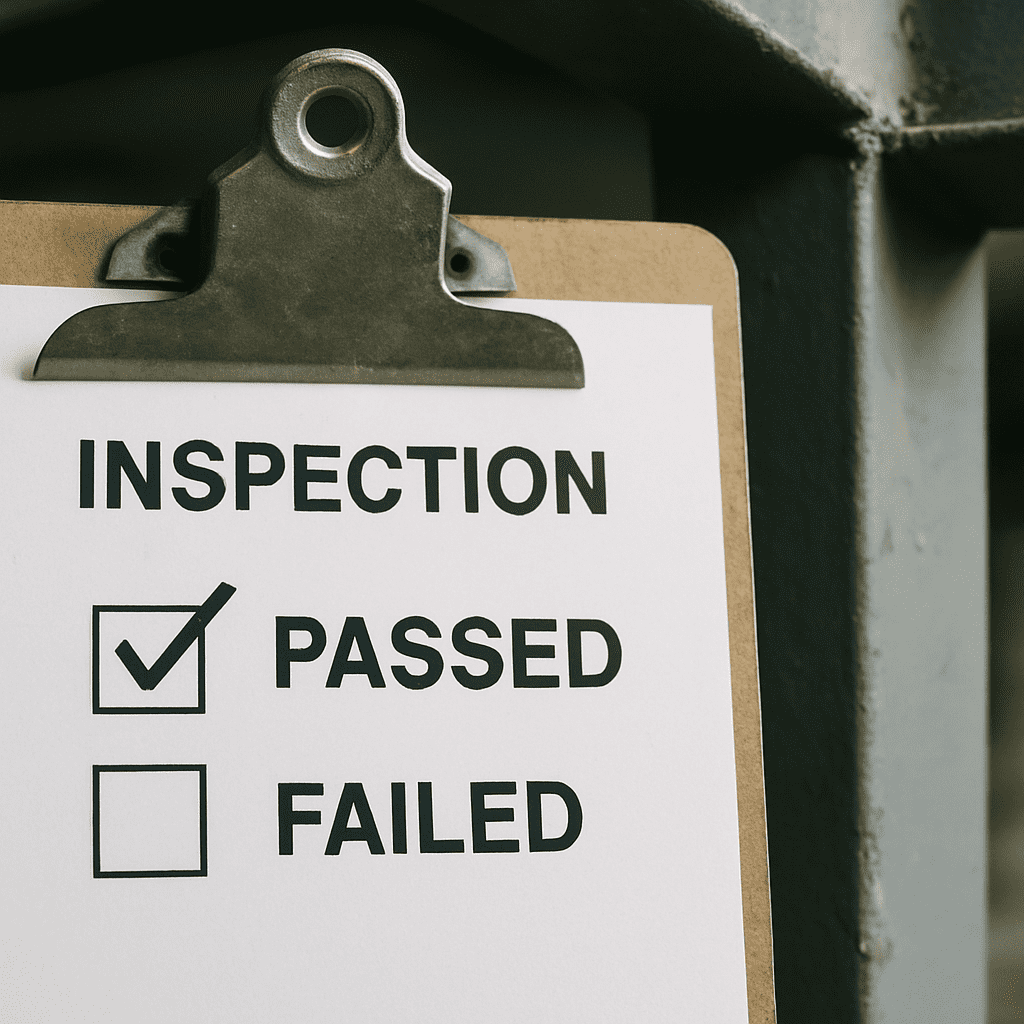
After each successful visit, knowing how to check LADBS permit status online allows you to confidently track your progress toward the ultimate goal: the Certificate of Occupancy (CofO). Think of the CofO as your project’s graduation diploma—it is the city’s final, official proof that your new space is legally safe to inhabit. Without it, you cannot legally rent out an ADU, and future buyers will immediately flag the missing paperwork.
Your LADBS Success Roadmap: A Final Action Plan
You no longer need to view city bureaucracy as a roadblock. You are fully equipped to move from the planning phase to building with absolute confidence. Start today by checking if your renovation qualifies for an immediate Express permit. Next, create your official online portal account to establish your digital footprint. Finally, gather your basic sketches and measurements to clearly outline your vision.
Adopting this navigator’s mindset helps you handle LADBS permits without stress, even when the system feels undeniably slow. Starting right now means committing to a safe, legal build that secures your property’s long-term value. Take that first practical step, submit those initial documents, and watch your Los Angeles home transformation safely become a reality.

Jason Somers, President & Founder of Crest Real Estate
With over 15 years of professional experience in the Los Angeles luxury real estate market, Jason Somers has the background, judgement and track record to provide an unparalleled level of real estate services. His widespread knowledge helps clients identify and acquire income producing properties and value-ad development opportunities.
Learn more about Jason Somers or contact us.