Zoning Variance Meaning: When to Pursue One vs. Other Zoning Relief
Imagine finding the perfect piece of real estate, only to discover that local municipal laws prohibit your plans for it. Whether you are a homeowner dreaming of an expansion or a commercial developer looking to build a new retail space, hitting a legal roadblock can be incredibly frustrating. The impacts of zoning ordinances on property rights are profound, dictating everything from how close to the street you can build to what types of businesses can operate on a given parcel of land.
Fortunately, property rules are not always set in stone. Municipalities offer various legal mechanisms to grant flexibility to property owners. Understanding the zoning variance meaning—when to pursue one vs. other zoning relief—is essential for anyone looking to maximize their property’s potential, avoid costly delays, and stay on the right side of local laws. In this comprehensive guide, we will break down exactly what a variance is, how it compares to other exceptions, and the strategic steps you need to take to get your project approved.
What is a Zoning Variance?
At its core, the variance definition is a formal waiver or exception granted by a local government that allows a property owner to bypass specific zoning regulations. When you are granted a zoning variance, you are given legal permission to use your land in a way that ordinarily violates the municipal code. It is best understood not as a change to the law itself, but as a site-specific exception—the law remains the same for your neighbors, but your specific parcel is granted a pass based on unique circumstances.

The Difference Between Area Variance and Use Variance
When exploring how to overcome local building code restrictions and zoning rules, it is vital to understand that not all variances are created equal. They generally fall into two distinct categories:
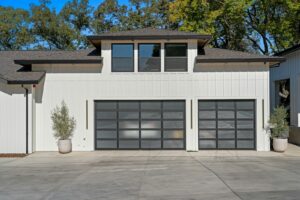
- Area Variance: This involves physical dimensions. If you want to build a garage but your lot is too narrow to meet the required side-yard setback, you would apply for an area variance. It relates to how a property is developed physically (height, size, setbacks, frontage).
- Use Variance: This is much more difficult to obtain. A use variance allows you to use a property for a purpose entirely prohibited in that zone. For example, attempting to open a commercial coffee shop in a strictly residential neighborhood would require a use variance. Because use variances can dramatically alter neighborhood character, many jurisdictions rarely approve them or have banned them outright.
Understanding which type applies to your project is the first critical step, as it determines both the difficulty of your application and the legal standard you must meet.
The Core Factor: Demonstrating Hardship
You cannot get an exception simply because the rules are inconvenient or because a different design would be more profitable. The legal criteria for granting zoning relief hinge heavily on the concept of “hardship.” To succeed, you must meet the specific hardship requirements for land use relief in your jurisdiction. Generally, an unnecessary hardship means that because of the unique physical characteristics of your specific property, you cannot make any reasonable use of it under the current zoning regulations.
Common examples of legitimate hardships include:
- Irregular Lot Shapes: A pie-shaped or exceptionally narrow lot that makes standard building envelopes impossible.
- Topographical Challenges: A steep cliff, a rocky outcropping, or a body of water that heavily restricts where a foundation can be poured.
- Historical Situations: Existing structures built decades ago that restrict how the rest of the property can be modernized.
It is critical to note that the hardship must belong to the land, not the property owner. Financial hardship (e.g., “It’s too expensive to build elsewhere”) or a self-created hardship (e.g., “I already poured the foundation in the wrong spot”) will almost never qualify for a zoning variance.
Exploring Your Options: Zoning Variance vs. Other Zoning Relief
A common mistake property owners make is applying for a variance when a different legal mechanism would be more appropriate and easier to obtain. Here is a breakdown of when to pursue one vs. other zoning relief.
Zoning Variance vs. Special Use Permit
While a variance asks for permission to break the rules, a special use permit (often called a conditional use permit) asks for permission to do something that the zoning code already allows, provided certain conditions are met. For instance, a residential zone might inherently prohibit commercial businesses but explicitly allow home-based daycares if you get a permit. If the code allows your planned activity conditionally, you should pursue the permit—you do not need to prove unnecessary hardship. The steps to obtain a conditional use permit typically involve submitting an application, paying a fee, and agreeing to specific conditions—such as limiting hours of operation or providing extra off-street parking—to ensure your use does not negatively impact the neighborhood.
Rezoning vs. Zoning Variance
A variance is a localized exception. Rezoning, on the other hand, legally changes the zoning classification of the land itself (e.g., changing a parcel from “Single-Family Residential” to “Mixed-Use Commercial”). Knowing when to request a zoning amendment comes down to scale and public interest. If your proposed development aligns with the town’s long-term master plan and benefits the broader community, applying for a zoning amendment or rezoning might be the correct path. However, rezoning requires approval from the city council or local legislature, making it a highly political and lengthy process.
Nonconforming Use vs. Zoning Variance
Sometimes, you don’t need to apply for new relief at all. A “legal nonconforming use” (often called being “grandfathered in”) occurs when a property is currently being used in a way that violates new zoning laws, but the use was perfectly legal when it started. If you buy a historic duplex in a neighborhood that was recently down-zoned to single-family only, you can likely continue operating it as a duplex without needing a variance, provided the use is never abandoned or severely interrupted.
If you have weighed your options and determined that a variance is indeed your best route, you must prepare for a bureaucratic journey. The zoning board of appeals process (ZBA) requires preparation, patience, and attention to detail. Here is a general guide on how to apply for a zoning variance:
- Consult with the Zoning Officer: Before spending money on architects or lawyers, speak with your local building or zoning department. They can confirm whether your project violates the code and clarify the specific variance you need.
- Prepare the Application: You will need to submit a formal application detailing your request. This usually requires professional site plans, architectural drawings, and a written narrative explaining why your project meets the hardship requirements.
- Pay the Fees: Variance applications come with filing fees that cover the municipality’s administrative costs and the cost of public notices.
- Notify Neighbors: Most local laws require you to send certified letters to property owners within a certain radius of your land, informing them of your plans and the upcoming hearing.
- Attend the Public Hearing: The final and most critical step is presenting your case to the ZBA.
Preparing for a Zoning Board Public Hearing
Preparing for a zoning board public hearing can be intimidating, but being organized will dramatically increase your chances of success. Treat the hearing like a mini-trial.
- Bring the Experts: Depending on the complexity of your project, it may be wise to hire a land-use attorney, an architect, or a civil engineer to speak on your behalf.
- Focus on the Legal Criteria: Do not waste time talking about how pretty the new building will be. Focus your presentation strictly on the legal criteria for granting zoning relief. Explain the topographical challenges, the lack of alternatives, and how the variance will not harm the character of the neighborhood.
- Anticipate Neighbor Pushback: Neighbors may show up to object to your project. Listen respectfully and be prepared to offer compromises, such as adding privacy landscaping or adjusting the height of a structure, to alleviate their concerns.
Common Reasons Zoning Variances Are Denied
Understanding why variances get rejected is just as important as knowing how to apply. The zoning board will scrutinize your application carefully, and the following are the most common reasons for denial:
- Self-Created Hardship: If you subdivided a large lot into two smaller lots, and now one is too small to build on legally, the board will likely deny your variance because you created the problem.
- Financial Hardship Only: Arguing that complying with the zoning code makes your project less profitable is the fastest way to get a denial.
- Detriment to the Neighborhood: If granting the variance will block a neighbor’s light and air, create dangerous traffic patterns, or alter the fundamental character of the community, the board is obligated to deny it.
- Alternative Options Exist: If you can achieve your goal (e.g., adding living space) by building an addition on the back of the house within the legal setbacks, rather than building on the side of the house where a variance is required, the board will reject your request.
Final Thoughts
Real estate development and property improvement are heavily regulated, but the system is designed to allow for necessary flexibility. By grasping the true zoning variance meaning—when to pursue one vs. other zoning relief—you position yourself to make smart, legally sound decisions about your property. Before committing to a lengthy variance application, always assess whether your project might qualify for a special use permit, a rezoning amendment, or a grandfathered nonconforming use. If a variance is your only option, focus your energy on proving a legitimate, property-based hardship. With careful planning, expert guidance, and a thorough understanding of local zoning regulations, you can successfully navigate the complexities of local property laws and bring your vision to life.
Frequently Asked Questions
A zoning variance and a zoning exception are often used interchangeably, but technically a variance is a specific type of exception to dimensional or use regulations granted by a zoning board of appeals. It requires proof of unnecessary hardship tied to the unique physical characteristics of the property. Other exceptions—such as special use permits or conditional use permits—do not require hardship proof and are granted when a use is already contemplated by the zoning code under specific conditions.
The timeline for a zoning variance varies by municipality but typically ranges from 30 to 90 days from application submission to the public hearing. Complex cases involving significant opposition from neighbors or requiring additional studies (such as traffic or environmental reports) can extend the process to six months or longer. It is advisable to begin the process well in advance of any planned construction start date.
Yes, if a zoning board of appeals (ZBA) denies your variance application, you typically have the right to appeal the decision to a higher authority, such as a local court or a state administrative board. The appeal must usually be filed within a specific window (often 30 to 60 days) after the denial. You can also reapply after a waiting period if you can present substantially new evidence or a redesigned project that better addresses the board’s concerns.
While you are not legally required to hire an attorney, working with a land-use lawyer significantly increases your chances of approval—especially for use variances or complex cases. A qualified attorney understands the local zoning code, can craft compelling hardship narratives, prepare professional application materials, and represent you effectively at the public hearing. For straightforward area variances on residential properties, some homeowners successfully represent themselves with proper preparation.
An area variance grants relief from physical or dimensional zoning standards—such as setback requirements, minimum lot sizes, building height limits, or lot coverage ratios—without changing the permitted use of the property. A use variance, by contrast, allows an entirely different type of land use than what is normally permitted in that zoning district. Use variances are much harder to obtain, require a stronger demonstration of hardship, and are prohibited in some states altogether because of their potential to dramatically alter neighborhood character.

Jason Somers, President & Founder of Crest Real Estate
With over 15 years of professional experience in the Los Angeles luxury real estate market, Jason Somers has the background, judgement and track record to provide an unparalleled level of real estate services. His widespread knowledge helps clients identify and acquire income producing properties and value-ad development opportunities.
Learn more about Jason Somers or contact us.