How to Apply for a Zoning Variance in Los Angeles Step by Step
Building or remodeling a property in Southern California can be a deeply rewarding investment, but it rarely comes without its fair share of bureaucratic hurdles. Strict local regulations dictate everything from how tall your building can be to how many parking spaces you must provide. But what happens when your specific parcel of land simply cannot accommodate these rigid rules? You might need a variance.
Navigating the local planning department can feel like learning a foreign language. However, understanding the exact process of how to apply for a zoning variance in Los Angeles, step by step, can save you months of frustration and thousands of dollars. Whether you are a homeowner trying to build an addition on a steep hillside or a commercial developer looking to maximize a uniquely shaped lot, this comprehensive guide will walk you through exactly what it takes to get your project approved.
Understanding the Basics: Los Angeles Zoning
Before you begin filling out forms, it is crucial to understand the foundational rules of the city. LA zoning laws are designed to keep neighborhoods safe, functional, and aesthetically consistent. They dictate land use, building heights, setbacks, and density.
When your proposed project violates these baseline rules, you have to ask the city for special permission. However, you need to know exactly what kind of permission to ask for. Many property owners get confused between a zoning variance vs adjustment Los Angeles.
Here is the difference:
- Zoning Adjustment: This is typically used for minor deviations from the zoning code. For example, if you need to encroach into a required side yard setback by just a few inches or a couple of feet, an adjustment is the appropriate, slightly less rigorous path.
- Zoning Variance: A variance is required for major deviations. If you want to use a property for a purpose not permitted in that specific zone, or if you need to drastically alter parking, height, or density requirements, you need a variance.
The Prerequisites: Proving Your Case
The city does not grant variances just because a property owner wants to save money or build a slightly larger home. To get approved, you must satisfy the strict Los Angeles Municipal Code Section 12.27 variance requirements.
At the core of these requirements are the hardship findings required for zoning relief. You must legally prove that strict application of the zoning code would result in practical difficulties or unnecessary hardships that are unique to your property.
To successfully make this case, you must demonstrate:
- Unique Property Features: The hardship must stem from the land itself, not your personal circumstances. This is often related to overcoming physical site constraints for building permits, such as a severely sloping hillside, an irregular lot shape, or a protected natural watercourse running through the property.
- No Special Privileges: Granting the variance will not give you a special privilege that is denied to other properties in the same zone and vicinity.
- Preservation of Property Rights: The variance is necessary for the preservation of a substantial property right possessed by other properties in the same zone.
- No Adverse Impact: The project will not be materially detrimental to the public welfare or injurious to adjacent properties.
If your situation meets these strict criteria, you are ready to begin the application process.
How to Apply for a Zoning Variance in Los Angeles, Step by Step
Securing a variance is a marathon, not a sprint. Follow these steps to ensure your application is comprehensive, legally sound, and positioned for success.
Step 1: Pre-Application Strategy and Building Your Team
Because of the legal complexities and the strict burden of proof required, going it alone is highly discouraged. Early on, you should seriously consider hiring a land use consultant for LA zoning or retaining a Los Angeles zoning variance lawyer.
These professionals understand the unwritten nuances of local planning. They can evaluate your property, tell you if your hardship findings are strong enough to hold up in a hearing, and help you draft a compelling narrative for the city planners.

Step 2: Preparing the Paperwork
Your formal journey begins with the Los Angeles Department of City Planning Master Land Use Application. This is the primary document used to initiate almost all land use requests in the city.
Your application package must be incredibly detailed. You will need to include:
- Notarized signatures from all property owners.
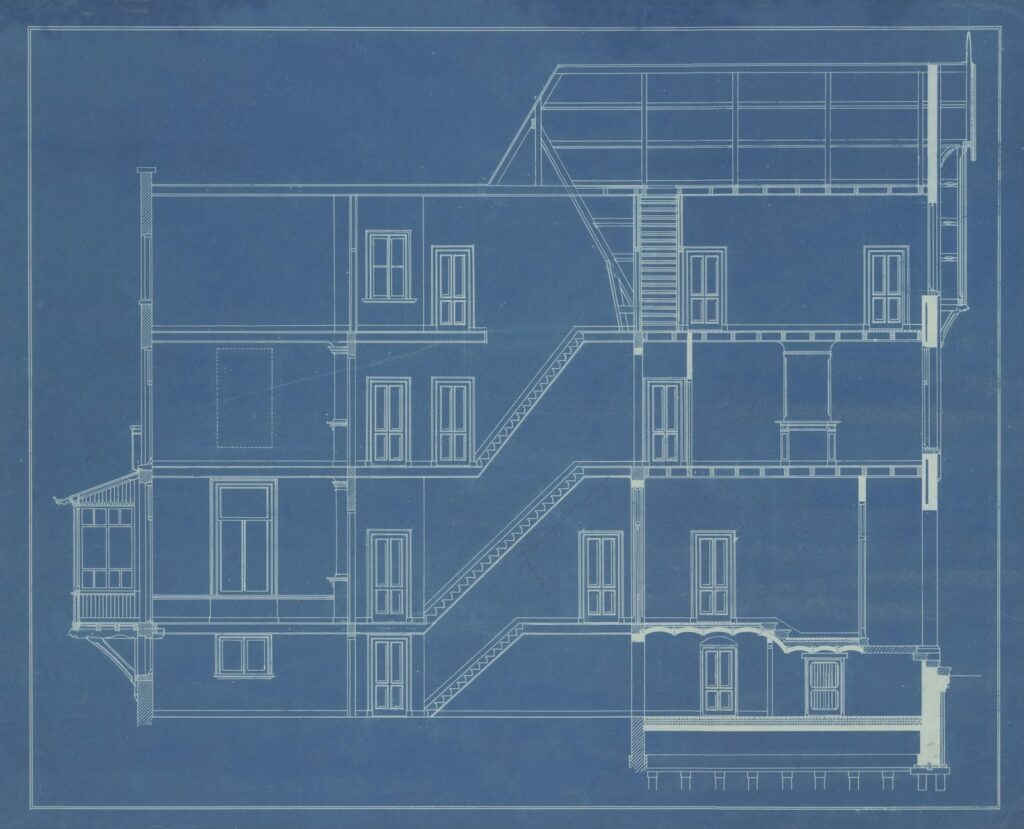
- Detailed architectural plans, including site plans, floor plans, and elevations.
- A written narrative expertly detailing your hardship findings.
- Photographs of the site and surrounding area.
Additionally, you must address environmental impacts. For smaller, less impactful projects, your consultant will typically apply for a California Environmental Quality Act exemption for minor variances (often referred to as a CEQA Categorical Exemption). Securing this exemption early will save you from having to fund incredibly expensive and time-consuming environmental impact reports.
Step 3: Paying the Fees
A common question among property owners is: how much does a zoning variance cost in Los Angeles? The answer is that it is not cheap, and costs can vary wildly depending on the complexity of your project.
The baseline land use application filing fees Los Angeles charges for a variance generally start in the range of $6,000 to $10,000 just for the city’s processing and public hearing costs. However, that is only the tip of the iceberg. When you factor in the costs of architectural drawings, environmental review fees, mapping services, and the hourly rates of your land use consultant or attorney, a standard variance application can easily cost between $20,000 and $50,000 from start to finish.
Step 4: Community Outreach and Notification
Los Angeles places a heavy emphasis on community feedback. Once your application is deemed complete by the planning department, you are legally required to inform your neighbors.
This involves notifying property owners within 500 feet radius of your property boundaries. You will hire a specialized mapping company to generate a radius map and a mailing list, and the city will send out official notices of your proposed project and the upcoming public hearing.
Do not wait for the hearing to talk to your neighbors. It is highly recommended that you proactively present your project to the local neighborhood council. The neighborhood council impact on zoning applications cannot be overstated. While their vote is technically advisory, city planners and zoning administrators rely heavily on neighborhood council recommendations. Winning their early support can smooth out the rest of the process.
Step 5: The Public Hearing
The most critical moment in your journey is the public hearing process for Office of Zoning Administration. This hearing is overseen by a Zoning Administrator, who acts like a judge for your case.
During the hearing:
- You or your representative will present the project, focusing heavily on the physical hardships of the site and how you meet the Section 12.27 requirements.
- The Zoning Administrator will ask technical questions about your plans.
- The public (your neighbors, neighborhood council representatives, and local advocacy groups) will be given time to speak in favor of or in opposition to your variance.
Having a professional land use consultant or lawyer speak on your behalf during this phase is invaluable. They know how to stick to the legal findings rather than getting bogged down in emotional arguments with dissenting neighbors.
Step 6: The Decision and Timeline
After the hearing, the Zoning Administrator will take the case under advisement and eventually issue a formal written Letter of Determination.
If you are wondering about the overall timeline for zoning variance approval in LA, patience is a virtue. From the day you file the Master Land Use Application to the day you receive your determination letter, the process typically takes anywhere from 6 to 12 months, assuming there are no major environmental hurdles or severe community backlashes.
Handling Roadblocks: Denials and Appeals
Despite your best efforts, not all variances are granted. Understanding the common reasons for zoning variance denial can help you avoid pitfalls before you even apply.
The most frequent reasons for denial include:
- Self-Imposed Hardships: If you bought a perfectly flat, usable lot and simply want to build a house that is too big for the zoning limits, that is a self-created financial desire, not a physical hardship.
- Fierce Community Opposition: If dozens of neighbors and the neighborhood council show up to protest your project, the Zoning Administrator is much less likely to approve it.
- Setting a Bad Precedent: The city will deny a variance if they feel it will encourage every other homeowner on the block to ask for the exact same deviation.
If your application is denied—or if it is approved with conditions you find unreasonable—you have the right to fight back. Knowing how to appeal a zoning administrator decision is your final safety net.
You typically have a strict 15-day window from the date of the determination letter to file an appeal. Appeals are usually elevated to the Area Planning Commission (APC). During the appeal, you must prove that the Zoning Administrator erred or abused their discretion in the initial ruling. Again, because an appeal is a highly rigid legal proceeding, bringing in an experienced Los Angeles zoning variance lawyer at this stage is absolutely critical.
Conclusion
Obtaining a zoning variance in the City of Angels is undeniably a complex, lengthy, and demanding endeavor. The city’s regulations are strict, the community is vocal, and the burden of proof rests entirely on your shoulders.
However, by understanding the intricacies of Los Angeles zoning, thoroughly preparing your Master Land Use Application, proving a legitimate physical hardship, and engaging with the community early, you can vastly improve your chances of success. Treat the process with the seriousness it deserves, hire the right local experts to guide you, and take it step by step. With patience and a solid strategy, you can overcome regulatory constraints and bring your ultimate vision for your property to life.
Frequently Asked Questions
Answers to common questions homeowners and developers ask about applying for a zoning variance in Los Angeles.
A zoning adjustment covers minor deviations from the code, such as encroaching a few inches into a setback. A zoning variance is required for major deviations, such as changing permitted use, height, parking, or density requirements, and requires proof of a unique property hardship.
City processing and public hearing fees typically start between $6,000 and $10,000. Once you add architectural drawings, environmental review, mapping services, and consultant or attorney fees, a full application often runs between $20,000 and $50,000.
From filing the Master Land Use Application to receiving the Zoning Administrator’s Letter of Determination, the process typically takes 6 to 12 months, assuming there are no major environmental issues or significant community opposition.
Common reasons include self-imposed hardships that stem from personal preference rather than a physical site constraint, strong opposition from neighbors or the local neighborhood council, and concerns that approval would set an undesirable precedent for other properties in the area.
It is not legally required, but it is highly recommended. A land use consultant or zoning variance lawyer understands the unwritten nuances of the local planning department, can evaluate whether your hardship findings are strong enough, and can represent you effectively at the public hearing.

Jason Somers, President & Founder of Crest Real Estate
With over 15 years of professional experience in the Los Angeles luxury real estate market, Jason Somers has the background, judgement and track record to provide an unparalleled level of real estate services. His widespread knowledge helps clients identify and acquire income producing properties and value-ad development opportunities.
Learn more about Jason Somers or contact us.