Detached vs. Attached ADU Costs in Los Angeles: Which Pencils Out Better?
The Los Angeles housing landscape has undergone a massive transformation in recent years. With single-family homes dominating the sprawling neighborhoods from the San Fernando Valley to the South Bay, homeowners are increasingly looking to their backyards to maximize their property’s potential. Accessory Dwelling Units (ADUs)—also known as granny flats, backyard homes, or casitas—have become the ultimate solution for generating passive income, housing aging parents, or creating remote work sanctuaries. However, once a homeowner decides to build, a critical question immediately arises: Detached vs. Attached ADU Costs in Los Angeles: Which Pencils Out Better?
There is no one-size-fits-all answer. The decision between building a standalone structure in your backyard or extending your current home’s footprint involves complex considerations regarding privacy, lot size, construction logistics, and, most importantly, budget. To help you navigate this backyard revolution, we are going to break down everything from basic construction expenses to the nuances of local regulations, ensuring you can make the most financially sound decision for your property.
Understanding the ADU Landscape in Los Angeles
Before diving into the spreadsheets and cost comparisons, it is essential to define exactly what we are comparing. The City of Los Angeles recognizes several distinct types of ADUs, each with its own set of rules, structural requirements, and price tags.
- Detached ADUs: A completely standalone structure, physically separated from the primary residence. These can be built from the ground up or created by converting an existing detached structure, like a backyard garage or rec room.
- Attached ADUs: A unit that shares at least one wall with the primary residence. This is typically achieved by building a ground-up addition onto the side or rear of the main house.
- Junior ADUs (JADUs): A specific type of attached unit that is capped at 500 square feet and must be contained entirely within the existing walls of a single-family residence (like a spare bedroom or an attached garage).
- Garage Conversions: Transforming an existing garage (either attached or detached) into a habitable living space.
When evaluating attached vs detached accessory dwelling unit construction costs, you must look beyond just the price of lumber and drywall. You are fundamentally comparing two different approaches to architecture, engineering, and utility management.
The Reality of ADU Construction Costs in Los Angeles
Building an ADU in Southern California is essentially building a miniature custom home—it requires the same foundation, framing, plumbing, electrical work, roofing, and insulation as a 3,000-square-foot house, just condensed into a smaller footprint. Because kitchens and bathrooms are the most expensive parts of any home build, smaller structures inherently have a higher price per square foot. If you want to know how to calculate ADU price per square foot, you cannot simply look at average home building costs in LA and apply them to a 400-square-foot box. You must take your total estimated project cost (hard costs + soft costs) and divide it by the livable square footage.
Many homeowners ask: how much does a 500 square foot ADU cost to build in LA? For a standard, ground-up detached ADU of this size, you should anticipate spending between $175,000 and $225,000 from start to finish. This breaks down into several categories:
- Soft Costs (10% – 15%): Architectural designs, structural engineering, Title 24 energy calculations, soil reports, and permits.
- Site Prep and Foundation (15% – 20%): Grading the land, digging trenches, pouring concrete, and laying underground utilities.
- Building Envelope (30% – 40%): Framing, roofing, windows, doors, and exterior stucco or siding.
- Systems (10% – 15%): HVAC (usually mini-splits), electrical wiring, plumbing, and water heating.
- Finishes (15% – 25%): Drywall, paint, flooring, cabinetry, countertops, fixtures, and appliances.
Overall ADU construction costs have stabilized somewhat after the post-pandemic surge, but Los Angeles remains one of the most expensive construction markets in the nation. Labor costs, union requirements in some jurisdictions, and the sheer logistical challenge of building in dense urban environments all push prices higher than national averages.
Attached ADU Costs: Pros, Cons, and Financials
Building an attached ADU involves expanding your current home’s footprint to create a new, distinct living space with its own private entrance, kitchen, and bathroom. From the street, it looks like a home addition; functionally, it operates as a fully independent apartment. Attached ADUs are often favored by homeowners who want to keep family members close while maintaining clear boundaries.
The Cost Advantages of Attached ADUs
In theory, attached ADUs can offer certain cost efficiencies. Because you are tying into an existing structure, you already have one wall built. More importantly, your utility connections—water, sewer, gas, and electrical—are right there in the adjacent house, meaning your utility trenching costs are minimal compared to a detached unit at the back of a long lot. Furthermore, if you are looking to maximize the rental income potential for attached guest suites, you might find that spending a bit less on construction while still achieving market-rate rents makes for a compelling investment thesis.
The Hidden Costs of Attached ADUs
Despite the shared wall, attached ADUs are not always the budget-friendly loophole they appear to be. Several hidden costs can erode any savings you anticipated:
- Structural Tying: Connecting a new foundation to an old foundation requires precise engineering. If your primary home has a raised foundation but you want a slab-on-grade for the ADU, the structural intersection can be costly to design and execute.
- Fire Separation: The Los Angeles Department of Building and Safety strictly enforces fire safety. When an ADU shares a wall with the main house, that shared wall must usually be upgraded to a 1-hour fire-rated assembly, often requiring work on the existing main house wall.
- Roofline Matching: To make the addition look visually appealing, you will likely need to match or carefully integrate the new roofline with the old one, which can be structurally complex and expensive.
This leads to a common question: is an attached ADU cheaper than a garage conversion? Almost never. Even though an attached garage shares a wall with the home, the garage conversion leverages an already-permitted structure with an existing foundation, slab, and roof—dramatically reducing baseline costs.
Detached ADU Costs: Independence at a Price
For many homeowners, the dream is a completely separate backyard cottage. The privacy is unparalleled, making it ideal for long-term tenants, loud teenagers, or visiting in-laws who value independence. The ability to rent a truly private unit typically commands a rental premium, and the detached structure adds more clearly defined value to the property during an appraisal.
Why Detached ADUs Often Cost More
When analyzing detached vs attached ADU costs in Los Angeles, the detached option generally carries a higher baseline cost. You are building a 100% independent structure, which means a complete foundation, all four exterior walls, a full roof system, and—most critically—entirely new utility connections running from the street or main house back to the new unit. The most significant variable in a detached build is utility trenching. Your new ADU needs water, sewer, and power. Running a new sewer line from the backyard, down the side of your house, and connecting to the main sewer lateral can cost anywhere from $15,000 to $50,000 or more on a long Los Angeles lot, depending on depth, soil conditions, and distance.
Strategies for Reducing Utility Connection Costs for Detached ADUs
Savvy homeowners and experienced contractors employ several methods to keep these costs manageable:
- Strategic Placement: Build the ADU as close to the existing sewer cleanout as zoning setbacks allow.
- Trench Sharing: Place water, power, and gas lines in the same trench where code permits, saving on labor and excavation costs.
- Panel Upgrades: Assess whether the main home’s electrical panel has enough capacity to support the ADU, avoiding a costly separate utility meter installation if possible.
- Pre-Planning with a Civil Engineer: Hire a civil engineer before finalizing your plans to identify the most cost-effective utility routing—understanding your granny flat regulations and lot constraints early saves money in the long run.
The Ground-Up Detached ADU vs. Junior ADU Cost Analysis
To truly understand how budget dictates your choices, it helps to look at the extreme ends of the spectrum. A Junior ADU (JADU) is the most budget-friendly way to add a legal unit to your property. Because a JADU must be carved out of the existing square footage of the home—like turning a bedroom into a studio apartment—the structural and utility work is minimal. A 400-square-foot JADU might cost between $50,000 and $80,000 to complete, primarily involving installing an efficiency kitchen, updating the bathroom, creating a separate entrance, and ensuring the space meets habitability requirements. This is a fraction of the cost of new construction, making JADUs a compelling option for cash-strapped homeowners.
In contrast, a 400-square-foot ground-up detached ADU will typically run between $140,000 and $200,000 for the same finished square footage—a difference that can exceed $100,000. That premium buys you complete privacy, a fully independent structure, and a unit that is often far easier to rent at top-of-market rates because it feels like a standalone cottage rather than a converted bedroom.
The Garage Conversion: Los Angeles’s Favorite ADU
We cannot discuss ADU costs in Southern California without highlighting the undisputed champion of budget-friendly development: the garage conversion. The ROI on garage conversions in Los Angeles is consistently the highest of any ADU type—and for good reason. A garage conversion leverages an existing permitted structure with a foundation already in place, a roof overhead, and walls already framed. You are essentially finishing the interior and connecting utilities rather than building from scratch.
Converting a standard two-car garage into an ADU typically costs between $90,000 and $130,000. Because you are saving tens of thousands on foundation work and framing, the net cost is dramatically lower than ground-up construction of the same square footage. However, garage conversions are not without their surprises—you must ensure the existing foundation is structurally sound, the ceiling height meets minimum habitability requirements (typically 7 feet), and the insulation and weatherproofing are brought up to current code. These unexpected costs can add $20,000–$40,000 to an otherwise straightforward conversion.
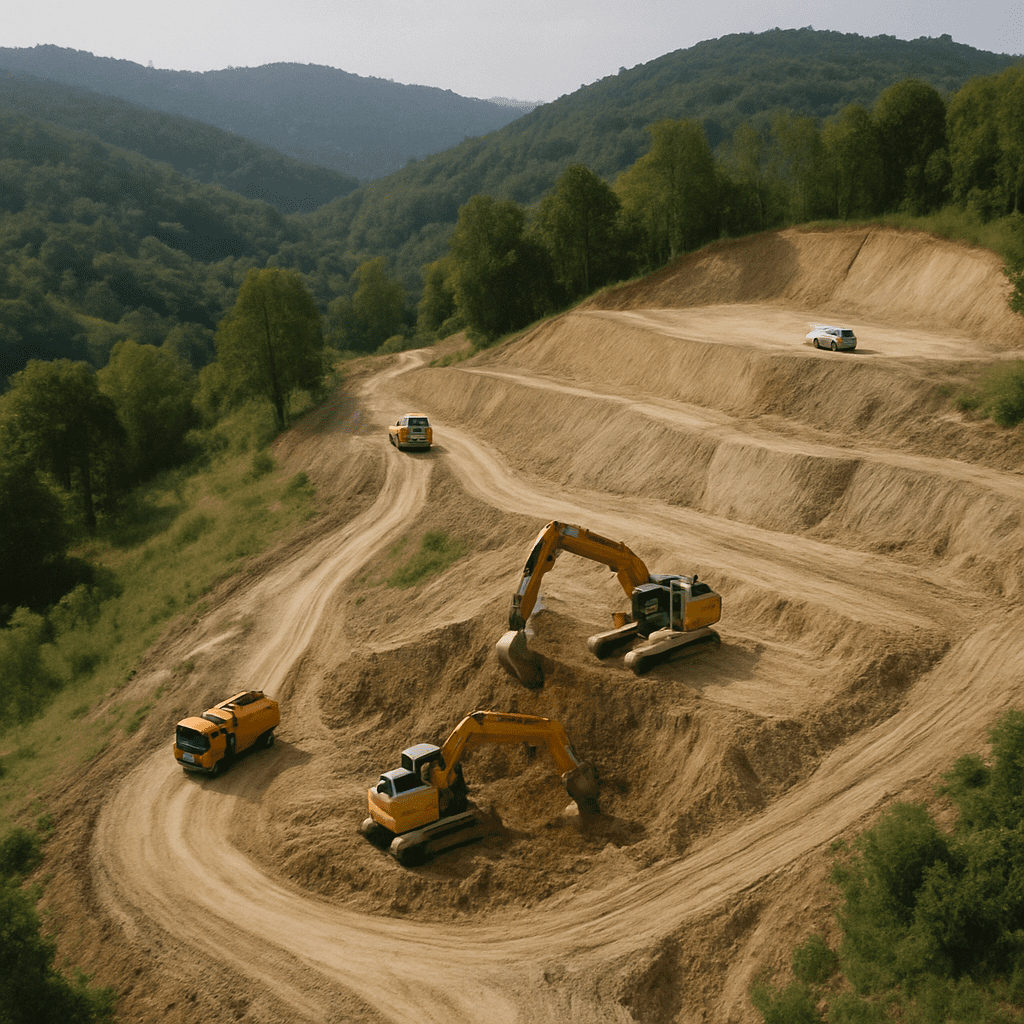
Building an ADU is a highly bureaucratic process, and understanding the soft costs associated with permits is vital. Fortunately, state-wide legislation has pushed for more housing by eliminating many of the exorbitant impact fees that once made ADU development cost-prohibitive. For ADUs under 750 square feet, impact fees have been effectively waived, representing savings of tens of thousands of dollars that were once common in Los Angeles County. You still have to pay for the actual permits themselves, but the elimination of impact fees is a major financial win for homeowners.
LADBS Guidelines
The Los Angeles Department of Building and Safety (LADBS) ADU guidelines are comprehensive. Your project will typically require a building permit, a mechanical permit, an electrical permit, and a plumbing permit at minimum. Navigating these requirements efficiently is where working with an experienced permit expeditor becomes invaluable—helping you avoid the costly delays and plan check corrections that can add months to your project timeline. For a deeper look at the process, see our guide to how long it takes to get an ADU permit in Los Angeles.
The Hillside Challenge
Los Angeles is famous for its rolling hills, canyons, and stunning vistas—but building on a slope is a dramatically different financial proposition than building on a flat lot. The site preparation costs for hillside ADU construction can easily blow a standard budget out of the water. Furthermore, you may need to construct expensive retaining walls, install deep caissons (concrete pilings drilled into bedrock), and commission a full geotechnical report to satisfy the city’s requirements. What costs $200,000 to build on a flat San Fernando Valley lot might cost $320,000 or more on a hillside lot in Silver Lake or Eagle Rock—a difference that fundamentally changes the investment calculus.
Stick-Built vs. Prefabricated ADUs
As the ADU market has exploded, so too have the options for how they are built. Homeowners frequently debate between traditional stick-built construction and modern prefabricated (prefab) or modular ADU solutions. There is a common misconception that prefab ADUs are vastly cheaper. In Los Angeles, this is rarely the case once all costs are considered:
- Stick-Built: Fully customizable, can be designed to match the main house exactly, and all work happens on-site. Best for complex lots, hillside sites, or homeowners wanting a bespoke design.
- Prefab/Modular: Factory-built units that arrive on-site in sections. While the unit itself may be priced attractively, the foundation, utility connections, delivery, crane costs, and site work can add $80,000–$150,000 to the base price, often eliminating the anticipated savings.
Comparing ADUs with Other Development Options: SB 9
For property owners with larger lots, ADUs are no longer the only game in town. California’s Senate Bill 9 (SB 9) allows eligible single-family homeowners to split their lot and build up to two units on each parcel—potentially creating four units where one previously stood. When conducting an SB 9 vs ADU development costs analysis, the differences are stark. An ADU remains part of your existing parcel and is subject to limits on size, use, and financing. An SB 9 lot split, however, creates a brand-new piece of real estate that can be sold independently. Because of this, the upfront costs—entitlements, subdivision mapping, separate utility connections—are substantially higher, often $50,000–$100,000 more than a standard ADU before a single shovel hits the dirt. For the average homeowner looking for passive income or family housing, an ADU remains the far more accessible and affordable option.
Financing Your ADU Build
Unless you are sitting on a quarter-million dollars in liquid cash, you will need to figure out how to pay for your project. Fortunately, the financial industry has recognized the ADU boom, resulting in a variety of robust ADU financing options for Los Angeles homeowners.
- Home Equity Line of Credit (HELOC) or Home Equity Loan: Since Los Angeles property values have soared over the last decade, many homeowners have hundreds of thousands of dollars in untapped equity. HELOCs allow you to borrow against that equity and are currently the most popular way to fund an ADU.
- Cash-Out Refinance: If interest rates align with your current mortgage rate, you can refinance your entire home for a larger amount and take the difference in cash to pay for the ADU.
- Renovation Loans (Fannie Mae HomeStyle / FHA 203k): These loans bundle the purchase or refinance of your home with the construction costs into a single mortgage.
- ADU-Specific Construction Loans: Several lenders now offer construction-to-permanent loans specifically designed for ADU development in California.
Long-Term Wealth: Resale Value and Appraisals
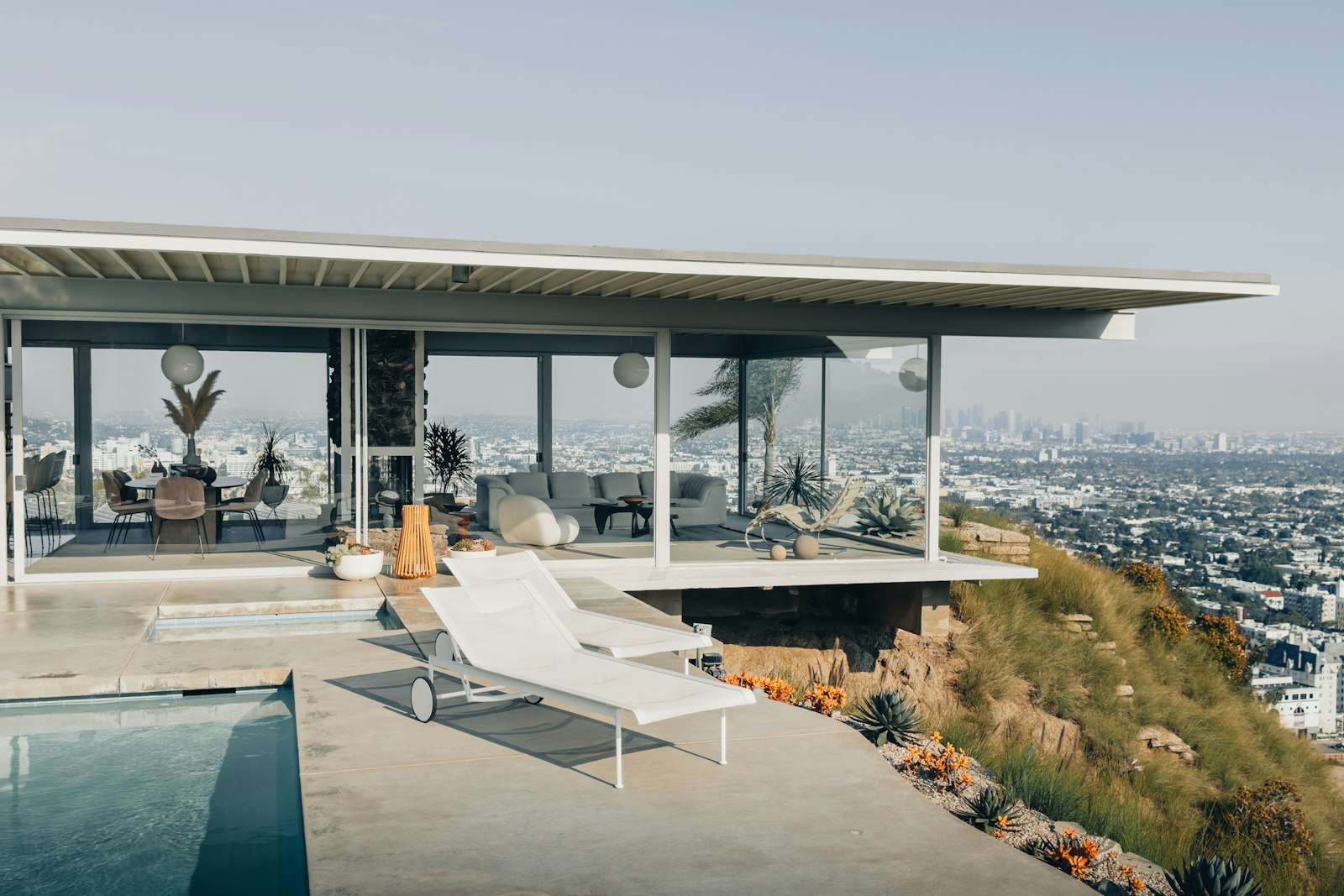
Building an ADU is a massive expenditure, but it is also a powerful investment in your property’s equity. Homeowners often wonder whether the ADU will “pay for itself” through rental income, and the answer is almost always yes—given enough time and a well-executed project. Historically, appraisers struggled to value ADUs accurately, often severely undervaluing them compared to the cost of construction. This is changing as more ADU sales data enters the market. Appraisers generally use two methods to value an ADU: the sales comparison approach (comparing recent sales of properties with ADUs in the neighborhood) and the income approach (capitalizing the estimated rental income at a market rate). A well-designed, legally permitted detached ADU in a desirable Los Angeles neighborhood can add anywhere from 20% to 30% to the home’s overall appraised value—a return that often justifies the construction investment.
Summary: Which Pencils Out Better?
So, returning to our original question: Detached vs. Attached ADU Costs in Los Angeles: Which Pencils Out Better? The honest answer is that it depends entirely on your starting conditions and long-term goals.
If your ultimate goal is the lowest possible cost and the fastest break-even point on a rental investment, a garage conversion wins by a wide margin—assuming you have an existing detached or attached garage to work with. If you do not have a garage, or if you need to preserve your garage for parking, a Junior ADU within the existing home structure is the next most economical option, though it limits your rental premium potential. If you require new square footage and are debating a ground-up build, the math gets tighter. An attached ADU can save on utility trenching and may be the right call on a smaller lot where setbacks make a detached unit difficult. However, a detached ADU is widely considered the gold standard for long-term real estate investors: yes, it costs more upfront, but it commands higher rents, appraises more clearly, and provides a level of privacy that tenants are willing to pay a premium for.
Building an ADU in Los Angeles is an exercise in balancing immediate budget constraints with long-term financial goals. Whichever path you choose, the key is to work with experienced professionals who understand both the construction market and the intricate regulatory landscape. A skilled permit expeditor and a knowledgeable contractor can save you far more than their fees by steering you away from costly mistakes and delays. If you’re ready to explore your ADU options, learn more about accessory dwelling units and how Crest Real Estate can guide your project from concept to certificate of occupancy.
Frequently Asked Questions
A ground-up detached ADU in Los Angeles typically costs between $175,000 and $300,000 or more, depending on size, lot conditions, design complexity, and finishes. A 500-square-foot detached ADU generally runs $175,000–$225,000, while larger or hillside builds can significantly exceed that range. Utility trenching, foundation work, and site preparation are the biggest cost variables.
Yes, in almost every case. A garage conversion typically costs $90,000–$130,000 because the foundation, roof, and walls already exist. A new ground-up attached ADU of comparable size typically costs $150,000–$250,000 or more due to the added structural complexity of tying into the existing home, fire-separation requirements, and roofline integration. The garage conversion delivers the highest ROI of any ADU type in Los Angeles.
Yes, all ADUs require permits from the Los Angeles Department of Building and Safety (LADBS). You will need at minimum a building permit, electrical permit, mechanical permit, and plumbing permit. The good news is that California law has eliminated impact fees for ADUs under 750 square feet, saving homeowners tens of thousands of dollars. Expect to pay roughly $5,000–$15,000 in permit fees for a standard ADU, though design and engineering soft costs (architect, structural engineer, Title 24 reports) typically add another $15,000–$30,000 on top of that.
Building on a hillside lot can add $50,000 to $150,000 or more to your ADU construction budget. Hillside sites typically require geotechnical reports, deep caissons or helical piers drilled into bedrock, retaining walls, and specialized grading work. The same ADU that costs $200,000 to build on a flat lot in the San Fernando Valley could easily cost $300,000 or more in hillside neighborhoods like Silver Lake, Eagle Rock, or the Hollywood Hills.
Yes, a legally permitted ADU can significantly increase your home’s resale value in Los Angeles. A well-designed detached ADU in a desirable neighborhood can add 20%–30% to a property’s overall appraised value. Appraisers use both the sales comparison approach (comparable ADU sales) and the income approach (capitalizing rental income) to value the unit. The key is that the ADU must be fully permitted and legally compliant—unpermitted units can actually be a liability during a sale.

Jason Somers, President & Founder of Crest Real Estate
With over 15 years of professional experience in the Los Angeles luxury real estate market, Jason Somers has the background, judgement and track record to provide an unparalleled level of real estate services. His widespread knowledge helps clients identify and acquire income producing properties and value-ad development opportunities.
Learn more about Jason Somers or contact us.