ADU Cost Calculator: How to Estimate Your Project Before You File a Permit
You’ve seen the beautiful photos of backyard cottages, but before picking out tile, you need a reality check on the math. Most homeowners start with an architectural dream and end up blindsided by “invisible” expenses that never appear in a magazine. Whether envisioning a simple garage conversion for aging parents or a high-end rental property, building an accessory dwelling unit requires a rock-solid financial foundation. According to current market data, successful projects organize finances into three specific buckets: Design, City Fees, and Construction. Think of Design and Fees as your preliminary costs—the checks written to architects and city clerks before anyone ever swings a hammer. Mastering these “Big Three” allows you to calculate a confident “Go/No-Go” number, revealing exactly where you stand before paying for a single permit.
Navigating this process doesn’t have to be overwhelming. Running your plans through an ADU Cost Calculator helps accurately estimate your total project investment, avoiding the nightmare of a build stalling halfway through. Accurately anticipating these construction costs ensures your new space adds real equity without draining your savings.
Why a Generic “Price per Square Foot” Often Leads to Budget Failure
Relying on a generic ADU cost per square foot for your accessory dwelling unit construction budget is a fast track to financial trouble. It is like comparing cars just by their length—a Ferrari and a Ford take up the same garage space, but the price varies wildly based on interior finishes. The biggest trap in these estimates is the “fixed cost” burden. Every home needs the expensive items: a kitchen, a bathroom, and utility connections. Because these big-ticket essentials don’t shrink when the footprint does, smaller units always look mathematically pricier. Consider how these fixed expenses dilute across different sizes:
- 400 sq ft Unit: A standard $40,000 combined kitchen and bath consumes $100 per square foot of your budget instantly.
- 1,000 sq ft Unit: That exact same $40,000 setup spreads out, adding only $40 per square foot to the total math.
Grasping this dilution shows exactly why broad averages fail. To build a reliable estimate, you must price out specific components rather than just the floor space, dividing your project into distinct categories.
Hard Costs vs. Soft Costs: Defining the Expenses
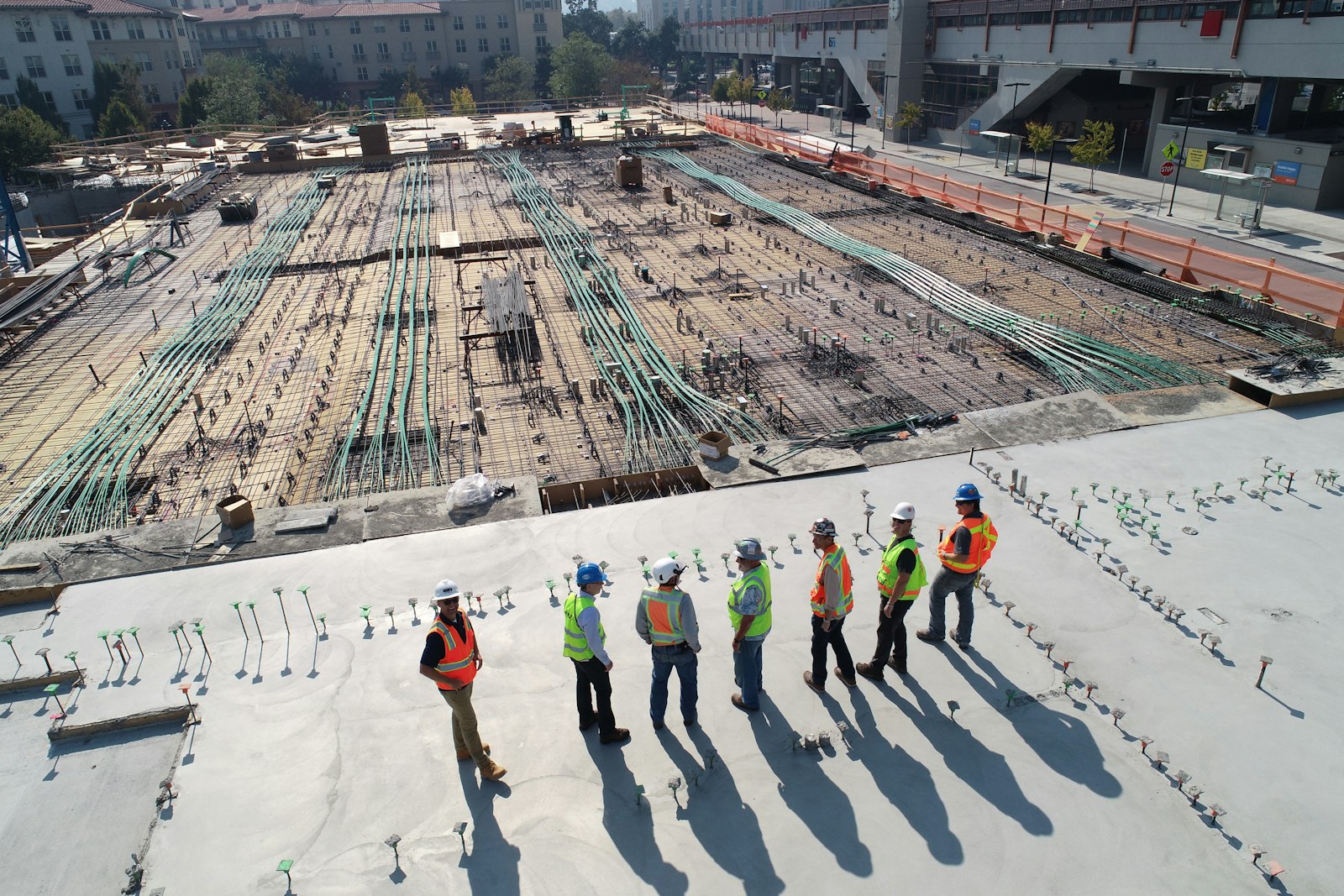
When homeowners envision a backyard cottage, they typically picture the physical building process. However, a reliable budget splits expenses into two categories: “hard” and “soft” costs. Hard costs are your tangible items like concrete, lumber, plumbing, and construction labor. Soft costs act as your “permission slip”—the checks written to professionals who handle the necessary preparation, including soil surveyors, city clerks, and architectural designers. Before breaking ground, you will spend a significant chunk of money fulfilling these preliminary paper requirements. Understanding typical ADU soft costs vs. hard costs prevents early sticker shock:
- Soft Costs (15-30%): Architectural plans, engineering approvals, and city paperwork.
- Hard Costs (70-85%): Trenching, materials, physical labor, and interior finishes.
Navigating municipal bureaucracy is where many budgets face unexpected hurdles. If you are wondering how much an ADU permit costs, the answer heavily depends on your municipality and project scope. Larger cities typically charge between $3,000 and $10,000+ in fees, but this figure can spike dramatically based on school districts, sanitation fees, and park dedication charges.
Detached, Attached, or Conversion: Choosing the Most Cost-Effective Structure
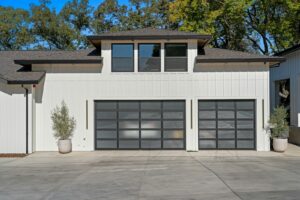
Deciding where to place your unit is the biggest driver of the bottom line. Homeowners seeking an affordable entry point usually analyze garage conversion cost factors first. Because the foundation and roof already exist, converting a standard garage into a livable studio typically starts around $100,000. You are paying for interior finishes rather than heavy structural framing.
Stepping up the budget ladder brings us to attached additions, usually running between $150,000 and $250,000. When evaluating detached vs. attached ADU cost dynamics, sharing a wall with your primary residence offers financial advantages—you can piggyback on existing rooflines, saving labor. However, you are still pouring new concrete, demanding a higher budget than a basic interior remodel.
Building a standalone backyard home represents the premium tier, often exceeding $250,000 because you are starting from scratch. At this level, buyers weigh the pros and cons of buying a prefab ADU or a custom stick-built structure. Prefab units offer price predictability, while custom builds allow architectural flexibility. Either way, detached ADUs typically command the highest price tag but also deliver the strongest rental income potential.
The “Straw Strategy”: Estimating Utility Hookups and Electrical Upgrades
Every backyard home needs power and water, but getting them there isn’t as simple as plugging in an extension cord. Think of your home’s municipal connection as a single drinking straw—adding a second kitchen and bathroom means you might need a wider straw to handle the increased volume. Running new pipes from your main house to the backyard requires deep yard excavation, so brace for trenching expenses ranging from $10,000 to $20,000 before a single wall is framed. Before finalizing your utility connection fee estimates, you must determine if your existing infrastructure can actually support a second dwelling. As your plans grow, be prepared for potential panel upgrades:
- Electrical Capacity: Can your current 200-amp panel handle the load, or will a second kitchen overwhelm an older 100-amp system?
- Pipe Age: Fragile clay pipes frequently trigger mandatory municipal upgrades, drastically increasing your sewer line costs.
- Meter Distance: The further back in the yard you build, the more expensive the physical trenching becomes.
Accurately factoring these invisible infrastructure upgrades into your overall ADU material cost breakdown prevents devastating mid-project budget surprises. Once you map out exactly how utilities will reach your new unit, you must ensure the earth beneath it is stable and accessible.
Site Prep Secrets: How Slopes and Soil Can Add $20k Before the Foundation
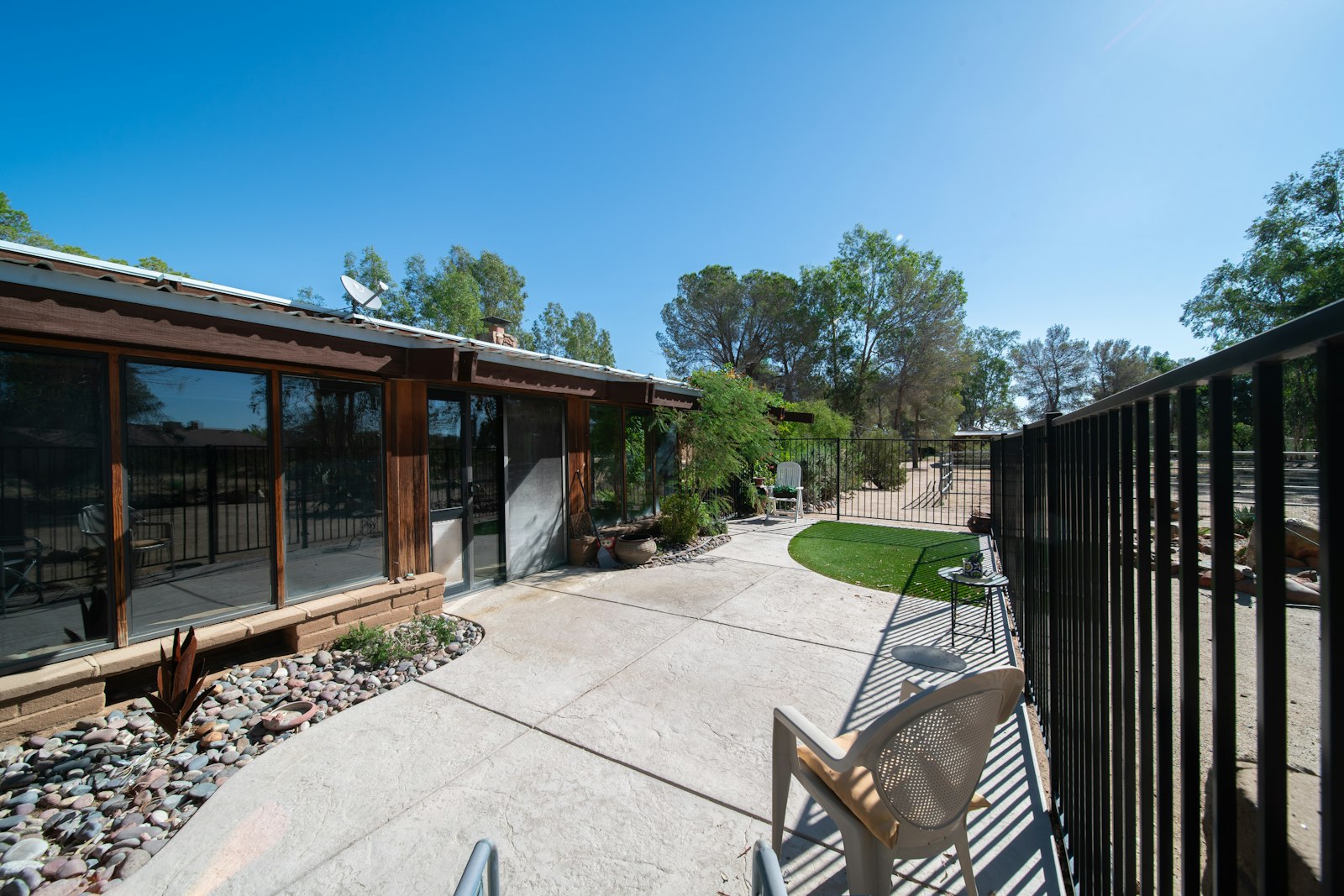
Looking out at your property, a gentle rolling hill might seem picture-perfect, but it often hides the dreaded “sloping backyard trap.” Even a minor 5% incline dictates that your builder must pour significantly more concrete just to level the foundation. To hold that earth back safely, you will likely need engineered retaining walls, which quickly inflate overall site preparation costs for backyard homes. Unlike predictable municipal impact fees for granny flats, physical site conditions vary wildly and dictate how builders actually maneuver heavy machinery. If your side-yard is too narrow, or a neighbor’s fence blocks equipment access, your contractor will charge a significant premium for hand-digging rather than machine grading.
- Tight Clearance: Narrow gate access that forces contractors to use slow, costly hand-digging instead of heavy machinery.
- Subterranean Obstacles: Protected tree roots or stubborn clay soil that require specialized excavation and removal.
- Material Transport: The physical distance from the street to the build site, which increases the labor needed to carry supplies.
Securing a flat, accessible dirt pad can easily consume $20,000 before framing even begins. Once the groundwork is finally complete, you can start making the visible design choices that will determine how your space feels and functions for years to come.
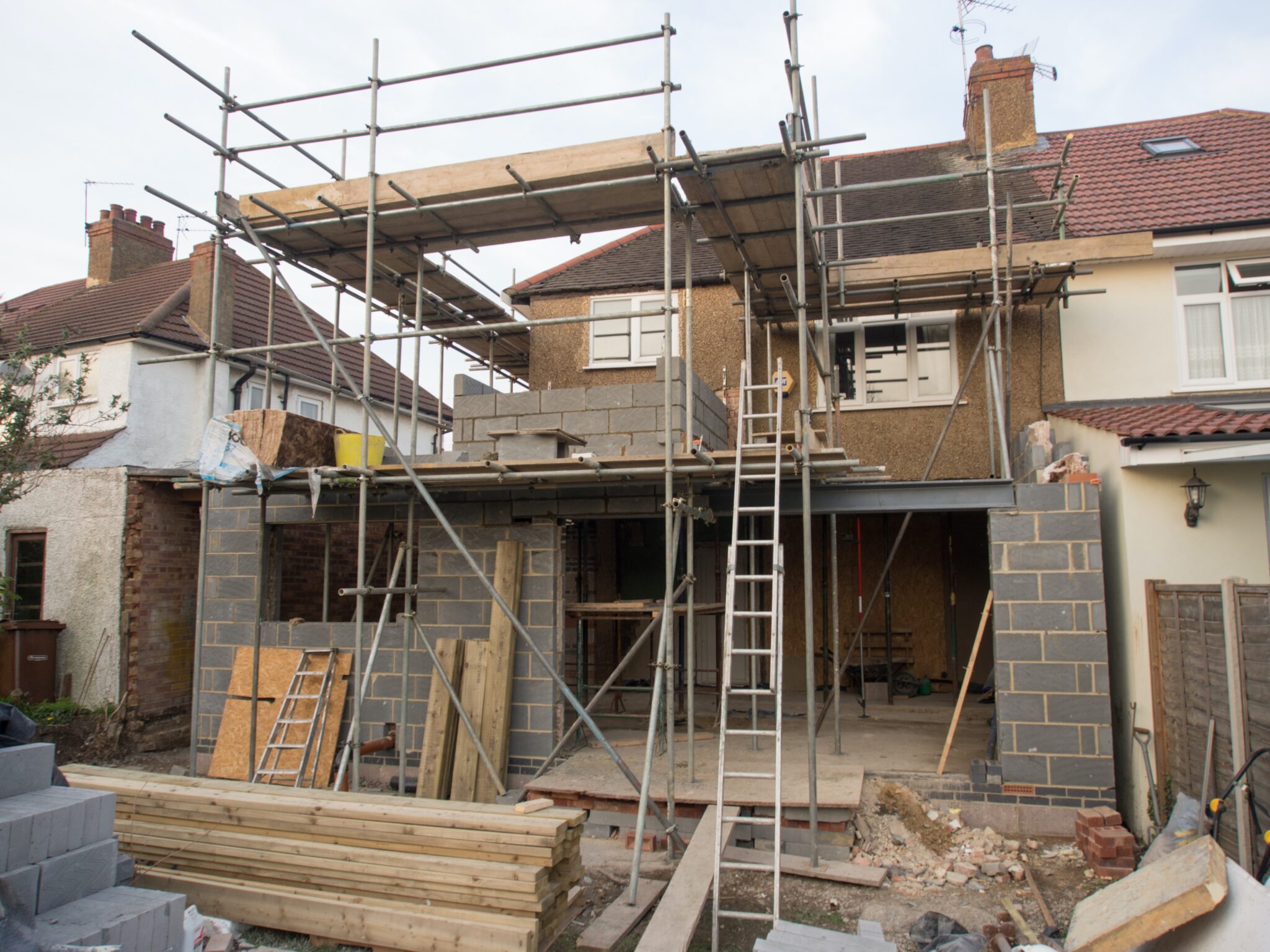
Finish Levels and ROI: Balancing Rental Income with Construction Quality
With the dirt finally settled, interior selections dictate the last 15% of your budget. Material choices should always match the occupant. If you are building an income property, “Builder Grade” materials prioritize durability over luxury. Conversely, if you are designing a forever home for aging parents, custom finishes justify their premium price tag.
- Flooring: Good (Luxury Vinyl Plank) | Better (Engineered Wood) | Best (Solid Hardwood)
- Counters: Good (Laminate) | Better (Quartz) | Best (Natural Marble)
- HVAC: Good (Window Units) | Better (Mini-Split System) | Best (Central Air)
Learning how to calculate ADU ROI requires finding your break-even point. Simply compare expected monthly rent against the payments required by your financing options for secondary suites. If a home equity loan costs you $1,500 monthly but the unit generates $2,500 in rent, your net positive cash flow is $1,000—and your break-even timeline becomes clear. Durable materials naturally lower your long-term maintenance costs, protecting that monthly profit margin over the years. Once you align your finishes with your financial goals, you are ready for your final checklist.
Your Final Go/No-Go Checklist: Applying the 15% Contingency Buffer
You have moved from admiring backyard cottages to possessing a concrete financial blueprint. However, even the best estimates encounter unpredictable site conditions. To protect yourself from hidden ADU construction expenses, always calculate a non-negotiable 15% safety buffer for mid-project “change orders”—the contingency fund you hope to never spend. With your baseline ADU construction costs established, run your numbers through this 5-step checklist to finalize your Go/No-Go decision:
- Evaluate if your total cost-to-equity ratio makes this project a financially sound decision.
- Verify that projected rental income or savings comfortably cover the expense.
- Visit your city planning desk to confirm local utility and zoning rules.
- Hire an architect or designer to draft your preliminary site plans.
- Implement a 3-step vetting process for contractor quotes to secure the best builder.
Approaching your build with a padded budget transforms a stressful gamble into a confident investment. With a clear financial strategy and realistic expectations, you can successfully navigate the planning phase and maximize your property’s potential. To learn more about navigating the permit process, visit our guide on California ADU laws and recent legislative updates.
Frequently Asked Questions
ADU costs in Los Angeles typically range from $100,000 for a basic garage conversion to $350,000+ for a custom detached unit. The final cost depends on your project type (conversion, attached, or detached), interior finishes, utility hookup distances, and site conditions like soil stability and slope. Always include a 15% contingency buffer in your budget.
Hard costs cover the physical construction—concrete, lumber, plumbing, electrical, and labor. Soft costs are the “permission slip” expenses paid before construction begins, including architectural plans, engineering reports, city permit fees, and soil surveys. Soft costs typically represent 15–30% of your total budget, while hard costs make up the remaining 70–85%.
ADU permit timelines in Los Angeles can vary from 30 days to several months depending on the project complexity, the city department backlog, and whether your plans require corrections. Standard ADUs submitted under state streamlining laws may receive faster approval. Working with an experienced permit expediter can significantly reduce delays.
No—generic cost-per-square-foot estimates are unreliable for ADUs because they do not account for fixed costs like kitchens, bathrooms, and utility connections. These expenses stay constant regardless of your unit’s size, which means smaller ADUs actually cost more per square foot than larger ones. A proper budget must price out specific cost categories separately.

Jason Somers, President & Founder of Crest Real Estate
With over 15 years of professional experience in the Los Angeles luxury real estate market, Jason Somers has the background, judgement and track record to provide an unparalleled level of real estate services. His widespread knowledge helps clients identify and acquire income producing properties and value-ad development opportunities.
Learn more about Jason Somers or contact us.