AB/SB ADU Updates: How California’s 2025 Laws Change What You Can Build
If you own property in the Golden State, you have likely noticed the backyard building boom. To combat an ongoing housing shortage, state legislators have consistently slashed red tape to make building accessory dwelling units faster, cheaper, and more accessible. Now, a fresh wave of legislation is set to transform the landscape even further.
If you want to understand the AB/SB ADU Updates: How California’s 2025 Laws Change What You Can Build, you are in the right place. Whether you are a homeowner hoping to generate rental income, an investor looking to maximize lot yield, or a family wanting to house aging parents, the california adu laws 2025 offer unprecedented opportunities. In this comprehensive guide, we will break down exactly how the new adu laws california 2025 will impact your property rights, what you are legally allowed to build, and how to navigate the updated regulations with ease.
The Core of the 2025 California ADU Legislative Changes
Over the last few years, the state has progressively dismantled barriers to ADU development. However, many property owners still faced lingering hurdles, such as restrictive local ordinances, high fees, and confusion over unpermitted structures. The 2025 California ADU legislative changes aim to close these loopholes. By enacting a series of Assembly Bills (AB) and Senate Bills (SB), lawmakers have drawn a clear line in the sand: cities must facilitate, rather than hinder, the construction of these vital secondary homes. State mandates now heavily override local jurisdiction ADU ordinance restrictions, meaning your local city council has far less power to deny your ADU permit based on arbitrary aesthetic or zoning preferences.
Maximizing Space: How Many ADUs Can I Build?
One of the most common questions property owners ask is: how many ADUs can I build in California 2025? The answer depends primarily on your property type. For standard single-family homes, you are generally allowed to build one detached or attached ADU, plus one Junior ADU (JADU), effectively turning a single-family lot into a triplex. However, the most dramatic changes this year apply to multifamily properties.
SB 1211 Multifamily ADU Requirements
Previously, if you owned a multifamily property (like a duplex, triplex, or apartment building), the number of detached ADUs you could add was strictly capped, often limiting investors to just two detached units. Thanks to the updated SB 1211 multifamily ADU requirements, the state has significantly raised the ceiling. Property owners can now build up to eight detached ADUs on a multifamily lot, provided the number of ADUs does not exceed the number of existing original units. For example, if you own an 8-unit apartment complex with unused land or carport space, you can now add 8 detached ADUs. This is a massive win for real estate investors looking to add value to existing assets without going through a grueling discretionary entitlement process. For related streamlining rules, see our breakdown of SB 684 permitting changes.
Amnesty and Legalization: Bringing Older Units Up to Code
For decades, many California homeowners converted garages or built backyard cottages without pulling the proper permits. In the past, coming forward to legalize these structures meant facing steep fines, punitive fees, or even orders to demolish the unit entirely.
AB 2533 Unpermitted ADU Amnesty
Enter the new AB 2533 unpermitted ADU amnesty provisions. This law is a lifeline for homeowners, specifically designed to aid in legalizing unpermitted guest houses California properties have harbored for years. Under this new law, local agencies are required to offer an amnesty program for unpermitted ADUs built before a certain date. The focus shifts from punishment to basic health and safety. If your unpermitted unit passes a basic safety inspection, local building departments must offer a pathway to legalization without triggering exorbitant retroactive development fees. This allows homeowners to finally appraise their homes accurately and rent out their units legally and safely. If you are unsure about the existing rules for backyard cottages, our guide on granny flat laws is a helpful primer.
Demystifying Design, Size, and Layout Rules
Knowing what you can build also means understanding the physical constraints and allowances of your lot. The state has standardized many of these rules to prevent local cities from micromanaging projects.
California ADU Height and Setback Limits
If you are worried about your backyard being too small, you might be pleasantly surprised by the California ADU height and setback limits. State law dictates that local agencies cannot require side and rear setbacks of more than four feet. Furthermore, height limits have been standardized. Depending on your lot’s proximity to public transit or if you are building on a multifamily lot, you can build your ADU up to 18 feet high (and up to 25 feet for attached ADUs in some cases), allowing for spacious vaulted ceilings or even two-story configurations.
Junior Accessory Dwelling Unit vs ADU
When planning your project, you will need to understand the difference between a junior accessory dwelling unit vs ADU, as you might be eligible to build both.
- Accessory Dwelling Units (ADUs): Can be detached, attached, or converted from an existing structure. They can be up to 1,200 square feet (depending on local limits, though state law guarantees you can build at least 800 square feet regardless of lot coverage restrictions) and require a full bathroom and kitchen.
- Junior Accessory Dwelling Units (JADUs): Must be located entirely within the existing walls of a single-family home (or an attached garage). They are capped at 500 square feet, require only an “efficiency” kitchen, and can share a bathroom with the main house.
Garage Conversions and Parking Rules
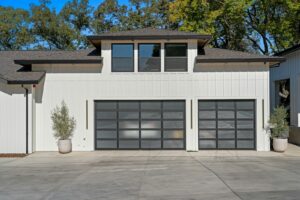
For homeowners looking into converting garages to ADUs 2025 laws provide the easiest and most cost-effective path to generating rental income. Because the structure is already built, converting a garage saves thousands in foundation and framing costs. But what about the cars? In the past, if you converted a garage, local cities forced you to pour a new driveway or build a new carport to replace the lost parking. Now, the California ADU parking replacement requirements explicitly state that if you convert an existing garage, carport, or covered parking structure into an ADU, you do not need to replace the parking spaces. Furthermore, if your home is located within half a mile of public transit, no parking is required for the new ADU whatsoever.
Overcoming Red Tape and Building Faster
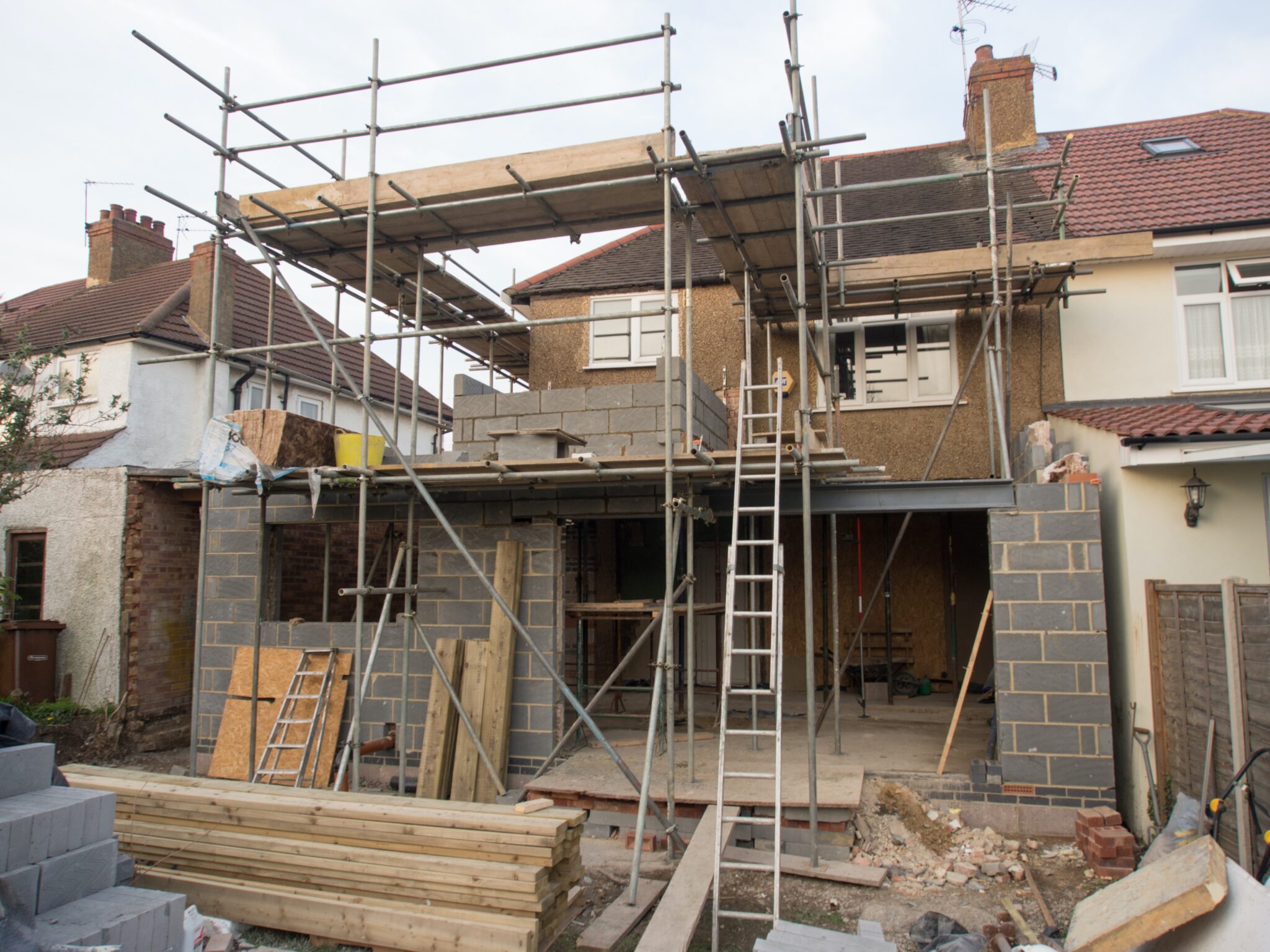
Time is money, and holding costs can kill a construction project. Recognizing this, the state has pushed initiatives to speed up the approval process. One of the most effective strategies for homeowners is utilizing pre-approved ADU floor plans California cities have begun rolling out. Many municipalities now offer a catalog of pre-vetted architectural designs. If you select one of these designs, the city is legally obligated to fast-track your building permit, often approving it in a matter of weeks rather than months, saving you hefty architectural and engineering fees. To understand realistic timelines, review our guide on how long it takes to get an ADU permit in Los Angeles.
Ownership, Fees, and Financing
Understanding the financial and legal obligations of your new unit is critical for a high return on investment.
Owner Occupancy Requirement Updates California
For years, investors feared building an ADU because of local rules that required the property owner to live in either the main house or the ADU. Fortunately, the owner occupancy requirement updates California rolled out have extended the ban on owner-occupancy requirements. Under the current legislative framework, local municipalities cannot require owner-occupancy for standard ADUs. This means you can freely rent out both the primary house and the ADU, making single-family homes incredibly attractive to investors. (Note: Owner-occupancy is generally still required if you are building a JADU).
California ADU Impact Fee Exemptions
Local impact fees—charges levied by the city for parks, schools, and utility upgrades—used to add tens of thousands of dollars to an ADU project. To ease this financial burden, the state introduced robust California ADU impact fee exemptions. If you build an ADU that is under 750 square feet, it is legally completely exempt from local development impact fees. If you build an ADU that is 750 square feet or larger, the fees must be strictly proportional to the square footage of the primary residence. This single rule can save you up to $15,000 before you even break ground.
California ADU Loan Programs for Homeowners
Even with reduced fees, building an ADU requires capital. Thankfully, the state recognizes this and has facilitated several California ADU loan programs for homeowners. Agencies like the California Housing Finance Agency (CalHFA) periodically release grant programs that provide homeowners with up to $40,000 to cover pre-development costs (like architectural designs, permits, and soil tests). Additionally, many specialized lenders now offer renovation loans, HELOCs, and construction loans that evaluate the future rental income of the ADU to help you qualify for the financing.
Health and Safety Standards
While the state has relaxed many zoning rules, health and safety remain paramount. However, lawmakers have ensured these rules are logical and not financially punitive. A great example of this involves the fire sprinkler requirements for California ADUs. In the past, some local fire departments required expensive fire sprinkler systems in new ADUs, even if the primary home didn’t have them. Under the 2025 guidelines, you are not required to install fire sprinklers in an ADU unless fire sprinklers are also required for the primary residence. This common-sense legislation saves property owners thousands of dollars in plumbing and water meter upgrade costs. To avoid common pitfalls during plan check, see our list of 5 common reasons ADU permits get rejected.
Conclusion: The Time to Build is Now
The housing landscape in California is shifting rapidly, and the power is finally being handed back to property owners. The legislative updates taking effect in 2025 represent some of the most pro-housing, anti-red-tape policies the state has ever seen. From the expanded allowances for multifamily investors to the straightforward amnesty programs for unpermitted units, the barriers to entry have never been lower. By understanding height and setback limits, utilizing impact fee exemptions, and leveraging state-backed financing, you can significantly increase your property value and secure a reliable stream of passive income.
Don’t let local bureaucracy intimidate you. The state of California is unequivocally on the side of ADU development. If you have extra space in your backyard, an underutilized garage, or empty land on a multifamily lot, 2025 is the perfect year to turn that dirt into dwelling space. For a broader view of how state housing policy is reshaping development, see our analysis of the impact of new housing legislation.
Frequently Asked Questions
It depends on your property type. A standard single-family lot can typically accommodate one detached or attached ADU plus one Junior ADU (JADU), creating a triplex configuration. Under SB 1211, multifamily lots can now add up to eight detached ADUs, provided the number of ADUs does not exceed the number of existing original units.
AB 2533 requires local agencies to offer an amnesty program for unpermitted ADUs built before a certain date. The focus shifts from punishment to basic health and safety: if your unit passes a basic safety inspection, the local building department must offer a pathway to legalization without charging exorbitant retroactive development impact fees.
For standard ADUs, no. California has extended the prohibition on local owner-occupancy requirements, so you can rent out both the primary residence and the ADU. Owner-occupancy is generally still required if you build a Junior ADU (JADU) within your single-family home.
Generally no on both counts. If you convert an existing garage, carport, or covered parking structure into an ADU, you do not have to replace the parking spaces, and homes within half a mile of public transit have no ADU parking requirement at all. Fire sprinklers are only required in the ADU if they are also required in the primary residence.
ADUs under 750 square feet are completely exempt from local development impact fees. ADUs 750 square feet or larger must have fees that are strictly proportional to the square footage of the primary residence. Using a city’s pre-approved ADU floor plans also speeds up plan check and can save thousands in architectural and engineering fees.

Jason Somers, President & Founder of Crest Real Estate
With over 15 years of professional experience in the Los Angeles luxury real estate market, Jason Somers has the background, judgement and track record to provide an unparalleled level of real estate services. His widespread knowledge helps clients identify and acquire income producing properties and value-ad development opportunities.
Learn more about Jason Somers or contact us.