
Entitlements vs. Permits: Why Confusing the Two Will Cost You Months
Picture this: You have just closed on a prime piece of commercial real estate. Your funding is secured, your architect is drafting the final blueprints, and your general contractor is on standby. You walk into the local planning office expecting to hand over your plans, pay a fee, and break ground next month. Instead, the clerk informs you that your project isn’t zoned for the intended use and requires a lengthy public approval process before you can even think about pouring concrete. Suddenly, your timeline is blown out of the water, and holding costs are eating into your margins. This disastrous scenario plays out every day across the country, illustrating exactly the reality of Entitlements vs. Permits: Why Confusing the Two Will Cost You Months.
Real estate development is an intricate dance of regulations, timelines, and budgets. Among the most frequent missteps developers make is conflating the legal right to build a project with the technical authorization to construct it. Understanding the critical differences between entitlements vs permits is the ultimate key to keeping your project on track.

The Foundation: What Are Entitlements?
To avoid costly surprises, you must first answer a basic question: what are entitlements? In real estate development, an entitlement is the legal right granted by a local government to develop a property for a specific use. It is the definitive “Yes, you are allowed to build this type of project on this specific plot of land.” Obtaining entitlements is the earliest and arguably the most unpredictable stage of the commercial real estate development phases. This phase deals heavily with land use policies, zoning codes, and community impact.
When you navigate the land use entitlement process, you are essentially asking the local government for permission to execute your vision. Depending on your project, this process may involve:
- Rezoning: Changing the legal use of the land (e.g., from agricultural to commercial).
- Variances: Requesting exceptions to specific zoning rules, like building height limits or setback requirements.
- Special Use Approvals: If your project falls outside standard zoning, you might find yourself asking, what is a conditional use permit (CUP)? A CUP allows a city to consider special uses that might be incompatible with a zone unless specific conditions are met—such as opening a late-night drive-thru near a residential neighborhood.
Ultimately, the goal of this phase is securing project vested rights, which guarantees that once your entitlements are approved, the city cannot retroactively change the zoning rules to stop your specific development.
The Execution: What Are Permits?
While entitlements give you the right to build, building permits give you the authorization to physically construct it. Permits are focused purely on safety, engineering, and compliance with local building codes. Building permits ensure that your project won’t collapse, catch fire, or pose a danger to the public. To secure them, you must submit highly detailed architectural, structural, electrical, and plumbing plans. The permit requirements are strictly technical, and the city’s plan checkers will review your blueprints to ensure they meet the International Building Code (IBC) and local amendments.
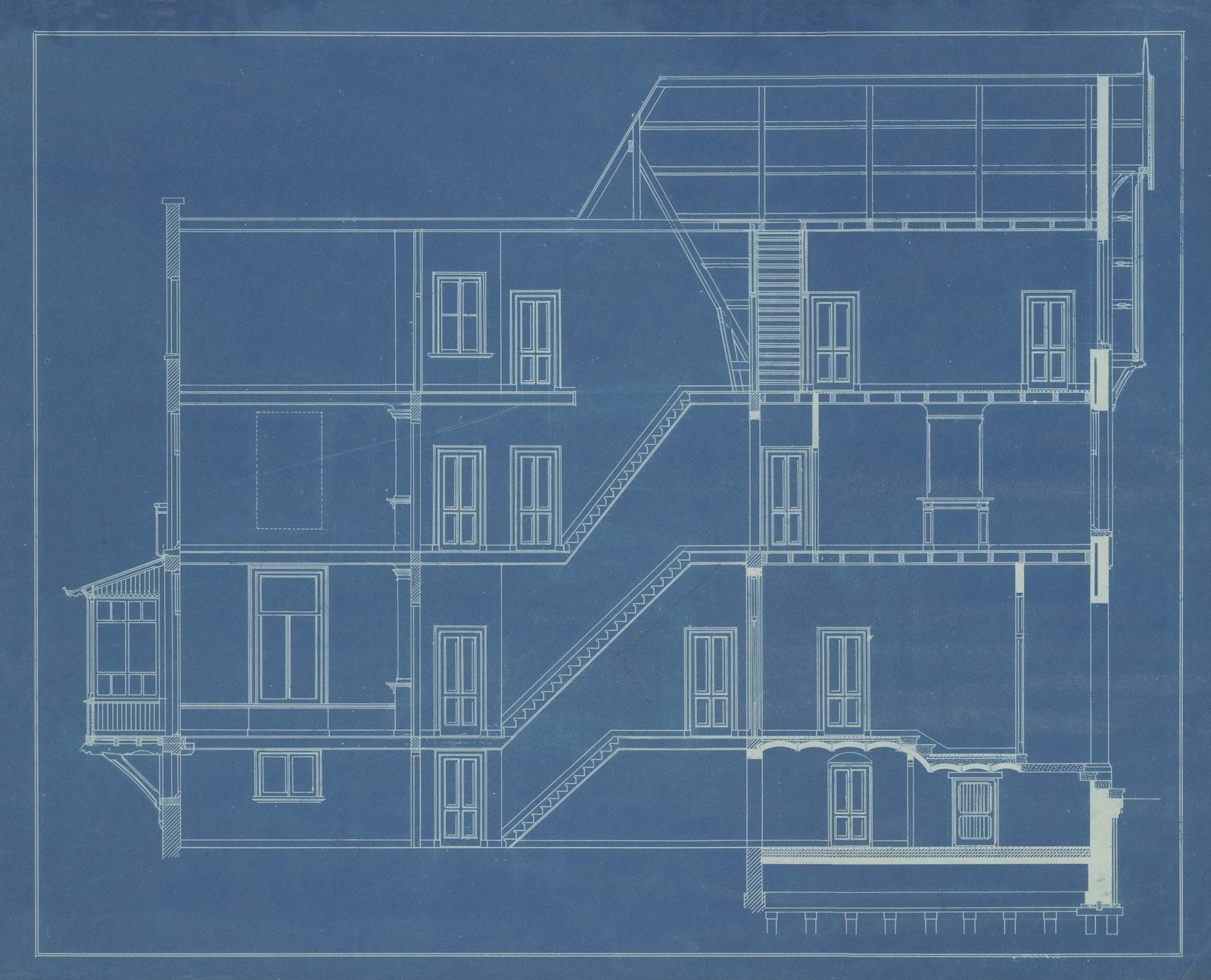
Entitlements vs Permits: Understanding the Core Difference
The simplest way to understand a building permit vs land use permit (entitlement) is through the lens of discretion. This brings us to the crucial concept of discretionary vs ministerial approvals:
- Discretionary Approvals (Entitlements): These involve human judgment. City planners, planning commissions, and city councils have the discretion to say “yes,” “no,” or “yes, but with these major changes.” Because it is subjective and often involves public input, this process is highly unpredictable.
- Ministerial Approvals (Permits): These are objective. If your blueprints meet all the established building codes and you pay the fees, the city must issue your building permits. There is no public hearing, and the city cannot arbitrarily deny you if you follow the rules.
Mixing up these two phases is one of the most common causes of construction project delays. If you assume you only need ministerial approvals when you actually need discretionary ones, your pre-construction planning timeline will be completely shattered.
The Land Use Entitlement Process Unveiled
If your project requires entitlements, you are in for a rigorous journey. Knowing how to get city planning approval requires patience, capital, and a deep understanding of local municipal politics. Here is what you can typically expect during this phase:
1. The Site Plan Review Process
Before anything else, you will submit a preliminary site plan. The site plan review process allows city planners to look at the footprint of your project, traffic flow, parking, and landscaping. They will provide early feedback on what the city will and will not support.
2. Environmental Clearances
Depending on the size and location of your project, you may trigger strict environmental laws (such as CEQA in California). You will need to understand the local environmental impact report requirements. An EIR is a massive, highly detailed document that studies how your project will affect traffic, air quality, noise, and local wildlife. Completing an EIR can easily add 12 to 18 months to your timeline.
3. Subdivisions and Parceling
If you are buying a large tract of land with the intention of splitting it into smaller lots for a housing development or retail park, you must ensure subdivision map act compliance. This involves creating legal parcels, dedicating land for public streets or utilities, and ensuring each new lot meets local zoning standards.
If your vision doesn’t align with the current zoning map, you will have to undergo a rezoning process. Zoning change application requirements are incredibly thorough. You will need to justify why the change benefits the community, prove that it won’t negatively impact surrounding property values, and show that local infrastructure (like water and sewer systems) can handle the increased density.
5. The Municipal Zoning Board Hearing
The entitlement process almost always culminates in a public forum. At a municipal zoning board hearing or planning commission meeting, you will present your project. Crucially, the public is invited to comment. Neighbors can and will voice concerns over traffic, aesthetics, and noise. A vocal opposition can force you to redesign your project or, in the worst cases, lead to a flat-out denial.
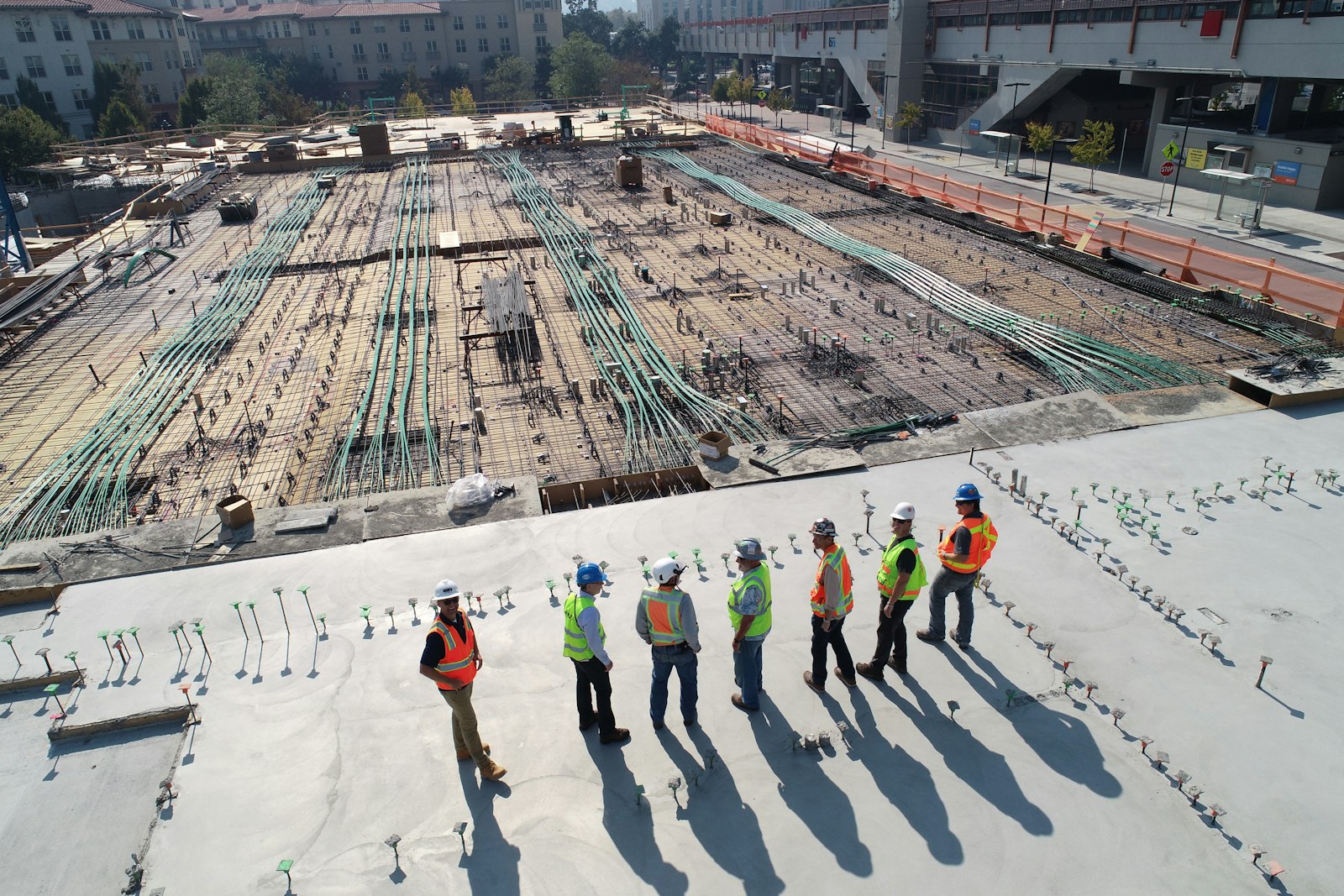
The True Cost of Land Development Errors
Assuming a piece of land is “ready to build” without verifying its entitlement status is a fatal financial mistake. The cost of land development errors goes far beyond just paying for revised architectural plans. If you draft full construction blueprints before your site plan is entitled, and the planning commission demands you reduce the size of your building by 20%, those expensive architectural and engineering plans are now worthless—you have to start over.
Furthermore, every month your project is delayed waiting for entitlements, you are bleeding money through:
- Property taxes
- Loan interest and holding costs
- Insurance premiums
- Inflation on construction materials
- Lost potential rental revenue
By failing to account for the entitlement timeline, developers routinely blow their contingencies before a single shovel hits the dirt.
Actionable Tips to Streamline Your Approvals
While you cannot skip the entitlement process, you can navigate it efficiently. Here is how seasoned developers protect their pre-construction planning timeline:
- Conduct Exhaustive Due Diligence: Before purchasing land, hire a land use attorney or a specialized consultant. They will investigate the property’s current zoning, historical use, and any overlay districts that might restrict your plans.
- Hold Pre-Application Meetings: Don’t guess what the city wants. Schedule a pre-application meeting with local planning officials. Pitch your concept informally to gauge their reaction before you spend tens of thousands of dollars on formal plans.
- Engage the Community Early: Don’t let a municipal zoning board hearing be the first time neighbors hear about your project. Host a town hall or community meeting beforehand. Listen to their concerns and incorporate minor compromises into your design. Winning over the neighbors makes the city council’s job of approving your project much easier.
- Run Processes Concurrently (When Safe): While you shouldn’t draft final construction blueprints before entitlements are secured, you can begin preliminary engineering and soil testing. Once you have a strong indication that entitlements will be approved, you can start preparing your permit packages so you are ready to submit them the moment your entitlements are vested.
The Bottom Line
In commercial real estate, time is your most valuable, non-renewable asset. Going into a project blind to the differences between discretionary land use rights and ministerial building codes is a guaranteed recipe for financial strain. An entitlement is your hard-fought permission to exist in a community; a permit is the technical proof that you are building safely. By mastering the distinction between the two, aggressively managing your land use entitlement process, and thoroughly researching your permit requirements, you can mitigate risk, keep your investors happy, and ensure your project moves swiftly from a concept on paper to a profitable, fully realized reality.
Frequently Asked Questions
Entitlements are discretionary approvals that grant the legal right to develop a property for a specific use, dealing with zoning and land use policies. Permits are ministerial approvals that authorize the physical construction once your project meets all applicable building codes. In short, entitlements give you the right to build, while permits give you the technical authorization to build safely.
The land use entitlement process can take anywhere from several months to multiple years, depending on the project’s complexity, the local jurisdiction, and whether environmental review (such as a CEQA EIR in California) is required. An Environmental Impact Report alone can add 12 to 18 months to your timeline, so factoring entitlement duration into your pro forma is critical.
Yes. You must secure your entitlements first because they establish the legal use, density, and design parameters of your project. Submitting permit applications and detailed construction drawings before entitlements are vested is risky—if the planning commission requires changes, your engineering and architectural plans may need to be redone at significant cost.
A Conditional Use Permit allows a city to approve uses that might not otherwise be permitted in a given zone, provided specific conditions are met to mitigate impacts on neighbors. CUPs are commonly required for projects like late-night businesses, drive-thrus, schools, or places of assembly that fall outside standard zoning use categories.
Conduct exhaustive due diligence before purchasing land, hold pre-application meetings with planning officials, engage the community early to address concerns, hire experienced land use attorneys and permit expediters, and run preliminary engineering concurrently with entitlements so your permit packages are ready to submit the moment your entitlements vest.

Jason Somers, President & Founder of Crest Real Estate
With over 15 years of professional experience in the Los Angeles luxury real estate market, Jason Somers has the background, judgement and track record to provide an unparalleled level of real estate services. His widespread knowledge helps clients identify and acquire income producing properties and value-ad development opportunities.
Learn more about Jason Somers or contact us.