
How to Qualify for a CEQA Exemption in California Real Estate Projects
Real estate projects in this state are frequently synonymous with mountains of paperwork. Imagine buying an old laundromat to transform it into a neighborhood cafe. While everyone knows California has strict building rules, does this small remodel really require a massive, expensive Environmental Impact Report (EIR)? According to the Governor’s Office of Planning and Research, the answer is often no. Securing a CEQA exemption in California is the “fast pass” of the development world. Rather than spending months proving your project is harmless, you enter a regulatory safe harbor. The local government department in charge—known as the Lead Agency—can quickly process your application if it fits predefined criteria. Think of this process as the express lane for environmental permits, bypassing the usual gridlock of California environmental law.
Any practical guide to California Environmental Quality Act compliance highlights exactly how this shortcut works. Slipping past heavy regulations unlocks three critical benefits for everyday developers: lower consultant fees, much faster permit issuance, and significantly reduced legal risk. You do not need a law degree to navigate this system and protect your investment from unnecessary delays. For a deeper background on the underlying rules, our comprehensive guide to CEQA permit requirements walks through the foundational framework.

Statutory vs. Categorical Exemptions: Knowing Which ‘Bucket’ Your Project Fits In
Navigating ministerial vs. discretionary project approval California standards is your first hurdle. If officials merely check standard building codes to issue a permit (ministerial), you bypass environmental review entirely. But if the city must use its judgment to approve your small apartment conversion—known as discretionary approval—CEQA applies. Fortunately, you can often escape lengthy studies by proving your project fits into specific exemption “buckets.” Your legal strategy depends heavily on understanding statutory vs. categorical CEQA exemptions. Statutory rules are the “gold standard” written directly into state law, offering unbeatable certainty. Meanwhile, categorical exemptions rely on standard lists of everyday projects that typically avoid environmental harm. Keep these core differences in mind:
- Origin: State Legislature (Statutory) vs. Environmental Agencies (Categorical).
- Level of Protection: Absolute safe harbor (Statutory) vs. Subject to specific exceptions (Categorical).
- Common Examples: Emergency housing funding (Statutory) vs. Small commercial renovations or residential additions (Categorical).
While categorical lists carry a few more “red flags,” they remain the daily workhorse for neighborhood-level developers. By slotting your plans into these predefined categories, you save months of consultant fees. One of the most powerful categories available is the Class 32 Infill shortcut.
The Class 32 Infill Shortcut: Turning Vacant Urban Lots into New Housing
Building on a vacant city lot often triggers fears of endless neighborhood complaints and expensive traffic impact studies. Fortunately, smart builders use a specific regulatory shortcut to bypass these hurdles. The Class 32 exemption encourages housing construction where infrastructure already exists, making the urban infill development environmental review process remarkably fast. Qualifying for these common Class 32 infill exemptions requires meeting strict spatial rules. First, your site must sit entirely within established city limits—what planners call an “Urbanized Area”—and be strictly under five acres. Furthermore, your proposed building must perfectly match existing zoning laws and the neighborhood’s general plan, ensuring it blends into the current community.
Location alone isn’t enough; you must also pass the “Habitat Value” test. This means demonstrating your vacant lot isn’t actually a sanctuary for endangered wildlife or rare plants. You will typically need a professional to complete a standard CEQA checklist for real estate development, providing basic data that confirms the site has no ecological value. Meeting these criteria allows you to skip exhaustive noise and traffic reports, saving months of waiting and tens of thousands in consultant fees. But what if your plans are simpler than ground-up construction? Many property owners find their absolute fastest path forward involves working with structures already on the property.
Small-Scale Success: Converting Existing Buildings and Adding ADUs
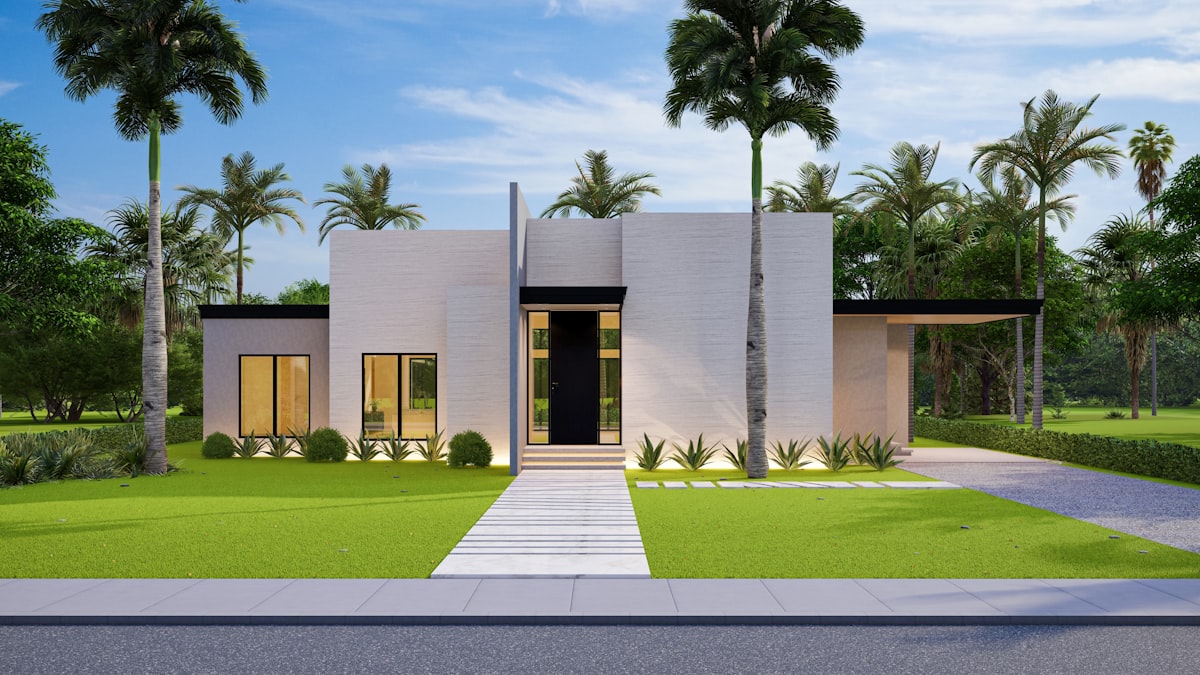
Taking over an old laundromat to open a neighborhood cafe shouldn’t require the same paperwork as building a skyscraper. For many California real estate projects, the absolute fastest path to approval is the Class 1 “Existing Facilities” exemption. This rule acts like an express lane for minor modifications and “Change of Use” scenarios—meaning you are swapping one business type for another within the same walls. As long as you aren’t adding significant square footage, you can usually bypass environmental studies entirely. Building from scratch doesn’t automatically trigger massive impact reports, either. The Class 3 “New Construction” exemption protects minor developments, specifically covering up to three single-family homes or small stores. Securing a CEQA exemption under these rules can easily save you $10,000 or more in consultant fees. The most common “express lane” projects include:
- Accessory Dwelling Units (ADUs)
- Commercial change of use renovations
- Minor interior remodels
- New single-family homes
Bypassing an accessory dwelling units environmental review is straightforward because the state desperately wants more backyard housing. However, larger developments can also utilize specific shortcuts to bypass endless hearings.
SB 35 and Affordable Housing: Using State Law for ‘Express’ Approval
While a backyard cottage is a great start, building a multi-unit apartment building usually guarantees a maze of neighborhood opposition. However, California law offers a powerful shortcut if your project includes affordable housing. By agreeing to include lower-income units, developers shift their project from a subjective, political debate into a technical checklist. This relies on “objective standards”—meaning if your blueprint follows clearly written city rules, local opponents cannot arbitrarily reject it. The real magic behind this approach is the SB 35 ministerial approval process. “Ministerial approval” means city staff reviews your plans over the counter, just like a standard building permit, completely eliminating the need for public hearings. The benefits of streamlining CEQA for affordable housing this way are massive, saving developers months of expensive delays while getting shovels in the ground faster.
Strategic site selection can turbocharge these time savings. If your property sits near public transportation, you can access expedited permitting for transit priority projects, stacking state incentives to bypass typical environmental reviews.
The ‘Red Flag’ Warning: When Your Exemption Can Be Revoked
Qualifying for a CEQA exemption feels like a massive victory, but local agencies can still pull you back into the slow lane. This happens when a project triggers an “exception to the exemption,” acting as a giant red flag. Spotting these pitfalls early is the key to avoiding environmental impact assessment delays. Before finalizing your budget, you must audit your property against this ‘Red Flag’ Checklist:
- Cumulative Impact: A single backyard cottage is fine, but if twenty neighbors build them simultaneously, the combined traffic could trigger a larger neighborhood review.
- Toxic Sites (Cortese List): Exemption shortcuts are instantly voided if your property sits on the state’s hazardous waste registry, like an old gas station.
- Historical Resources & Slopes: Altering recognized historic buildings or building on landslide-prone hillsides will force a full assessment.
Proactively identifying these deal-breakers is crucial for mitigating environmental impacts for real estate developers. Once you confirm your site is clear of these hidden traps, you are ready to make your shortcut official.
The Paperwork Finish Line: How to File Your Notice of Exemption (NOE)
Securing an exemption is only half the battle; the final step is locking in your legal protection. By default, opponents have 180 days to legally challenge your project. However, filing a public document called the Notice of Exemption (NOE) triggers a much shorter Statute of Limitations. This simple paperwork acts as a legal shield, shrinking the lawsuit window down to just 35 days. To officially learn how to file a notice of exemption in California, you must visit specific government desks. You submit the approved form directly to your local County Clerk. Frequently, you must also send a California CEQA notice of exemption to the state clearinghouse, managed by the Office of Planning and Research (OPR). Following the California Office of Planning and Research guidelines ensures your submission perfectly matches current state requirements.
That minimal filing fee represents the absolute best project insurance you can buy. Skipping it leaves your investment exposed to sudden challenges long after you break ground.
Your 3-Step Action Plan to Qualify and Build
Navigating California real estate projects no longer has to feel like hitting an unavoidable environmental roadblock. You can perform a DIY audit of your eligibility and create a proactive “CEQA File” to present to your Lead Agency. Securing an exemption isn’t a legal loophole; it is a built-in express lane for smart development. To save months of time, apply this checklist via a 3-Step Path:
- Bucket Identification: Find your Statutory or Categorical safe harbor.
- Red Flag Audit: Ensure no exceptions (like toxic sites) disqualify you.
- Filing the NOE: Proactively file your Notice of Exemption.
While the law is complex, these safe harbors are fully accessible. For your first move, check the OPR guidelines to verify your project category. For deeper guidance on the broader approval pipeline, our overview of the land entitlement process shows where CEQA fits into a typical California project timeline. Knowledge is your best tool to save time and money, allowing you to confidently turn costly red tape into a fast-tracked green light.
Frequently Asked Questions
A CEQA exemption is a regulatory shortcut that allows qualifying real estate projects to bypass the lengthy and expensive Environmental Impact Report (EIR) process under the California Environmental Quality Act. Projects that fit predefined statutory or categorical ‘buckets’—such as small infill housing, ADUs, or minor remodels—can be processed quickly by the Lead Agency, saving developers months of time and tens of thousands in consultant fees.
Statutory exemptions are written directly into state law by the California Legislature and offer the strongest ‘absolute’ safe harbor for projects like emergency housing funding. Categorical exemptions are created by environmental agencies and apply to standard project types, such as small commercial renovations, ADUs, or Class 32 infill housing, but they remain subject to specific exceptions like cumulative impact or sites on the Cortese List.
To qualify for the Class 32 infill exemption, your project must sit entirely within an established ‘Urbanized Area,’ be under five acres, conform to existing zoning and the local general plan, and pass the Habitat Value test by demonstrating the site has no significant ecological value. Meeting these criteria typically lets you bypass exhaustive noise, air, and traffic impact studies.
SB 35 creates a ministerial approval pathway for qualifying multi-family projects that include affordable housing units. Instead of subjective public hearings, city staff review your plans against ‘objective standards’—if the design follows clearly written city rules, opponents cannot arbitrarily reject it. This shortcut effectively bypasses CEQA, saving months of delays and getting projects built faster.
Filing a Notice of Exemption with your County Clerk and the State Clearinghouse shortens the legal challenge window from 180 days down to just 35 days. This minimal filing acts as a powerful legal shield, locking in your exemption and protecting your investment from late lawsuits long after you have broken ground.

Jason Somers, President & Founder of Crest Real Estate
With over 15 years of professional experience in the Los Angeles luxury real estate market, Jason Somers has the background, judgement and track record to provide an unparalleled level of real estate services. His widespread knowledge helps clients identify and acquire income producing properties and value-ad development opportunities.
Learn more about Jason Somers or contact us.