Elevation Certificates in LA: When You Need One & How to Get It
If you are building, remodeling, buying, or insuring property in Los Angeles, an elevation certificate can turn a vague flood-zone label into hard data about your specific building. It records how the structure sits relative to FEMA’s mapped flood levels, and it is used for City and County floodplain plan check, flood insurance rating, and FEMA map-change requests. This guide explains when you need one in Los Angeles, who reviews it, and how to get one without slowing down your permit or escrow timeline.
Key takeaways:
- Most Los Angeles homeowners do not need an elevation certificate just to buy flood insurance, but one can support more accurate pricing.
- In the City of Los Angeles, projects in a mapped Special Flood Hazard Area typically need a Bureau of Engineering (BOE)-approved elevation certificate during and after construction.
- Only a licensed land surveyor, civil engineer, or architect authorized to certify elevation information should prepare it.
- Always check whether a certificate already exists before ordering a new one.
What is an elevation certificate?
An elevation certificate (FEMA Form FF-206-FY-22-152) is a standardized National Flood Insurance Program (NFIP) document that shows key building elevations, including the height of the lowest floor, the lowest adjacent grade, and machinery and equipment, compared with the Base Flood Elevation (BFE) for the site. FEMA uses it to document floodplain management compliance, determine insurance rating information, and support certain map-change requests such as a Letter of Map Amendment (LOMA).
It is not the same as a boundary survey. A boundary survey focuses on property lines and improvements (see our guide to land surveying and legal descriptions), while an elevation certificate focuses on flood-related measurements, the flood map panel, building diagrams, and required photographs.
Why elevation matters in Los Angeles

Los Angeles is not usually thought of as flood country, but parts of the region sit within FEMA Special Flood Hazard Areas, including properties near the Los Angeles River, Ballona Creek, coastal areas such as Venice and Playa del Rey, and canyon and alluvial-fan areas exposed to flash flooding and mudflow after heavy rain, especially below recent burn scars. A small difference in finished-floor elevation can change how a building performs in a storm and how it is reviewed for permits.
Flood risk should not be judged by whether a street “looks high” or whether a property flooded last winter. Better decisions combine the FEMA flood zone, the BFE, ground elevation, site drainage, and local floodplain rules. If you are new to the zone designations, start with our overview of FEMA flood zone maps.
When do you need an elevation certificate in Los Angeles?
You may need one whenever a floodplain administrator, lender, insurer, buyer, or FEMA process requires verified elevation data for a specific structure. The most common situations are:
- New construction in a Special Flood Hazard Area. In the City of Los Angeles, BOE reviews building and site designs under the Flood Hazard Management Ordinance (Ordinance No. 186952). According to LADBS Information Bulletin P/BC 2023-064, a BOE-approved elevation certificate, flood-proofing certificate, or licensed surveyor’s elevation map is required to approve the top of foundations, and the lowest finished floor must be verified at completion before BOE clearance and a Certificate of Occupancy.
- Substantial improvement or repair. Work costing 50% or more of the structure’s market value is treated as a substantial improvement and must fully comply with floodplain requirements. Structures built before December 2, 1980 are considered pre-FIRM in the City.
- Flood insurance rating. Under FEMA’s current pricing approach, FloodSmart explains that most policyholders do not need an elevation certificate to buy coverage, but one can provide information that may affect pricing.
- Buying or selling property. An existing certificate reduces uncertainty during due diligence, especially in Zones A, AE, AO, V, or VE. Pair it with your home inspection report for a fuller picture.
- LOMA or LOMR-F requests. FEMA notes that many applicants need a licensed land surveyor or registered professional engineer to certify elevation information for the property.
- Grading or fill projects. Site work that changes ground elevation can affect flood-zone status and review; see our guide to grading permits.
Maps are a starting point, not the whole answer
Online maps help you prepare better questions, but they do not replace a property-specific certificate. FEMA’s Flood Map Service Center is the official source for effective Flood Insurance Rate Maps (FIRMs). Los Angeles County Public Works also offers a Flood Zone Determination website that shows FEMA flood zones and County Capital Flood floodplains for a parcel; the County notes that its floodway maps identify additional hazard areas but do not set federal flood insurance requirements. FEMA’s most recent Flood Insurance Study for Los Angeles County was issued June 2, 2021.
A practical map review includes:
- Looking up the address on FEMA’s Map Service Center and noting the map panel and effective date.
- Checking the flood zone and any Base Flood Elevation shown.
- Checking the LA County Flood Zone Determination site for County floodway or Capital Flood designations.
- Asking the City or County floodplain staff whether pending map revisions or local standards apply.
How to get an elevation certificate
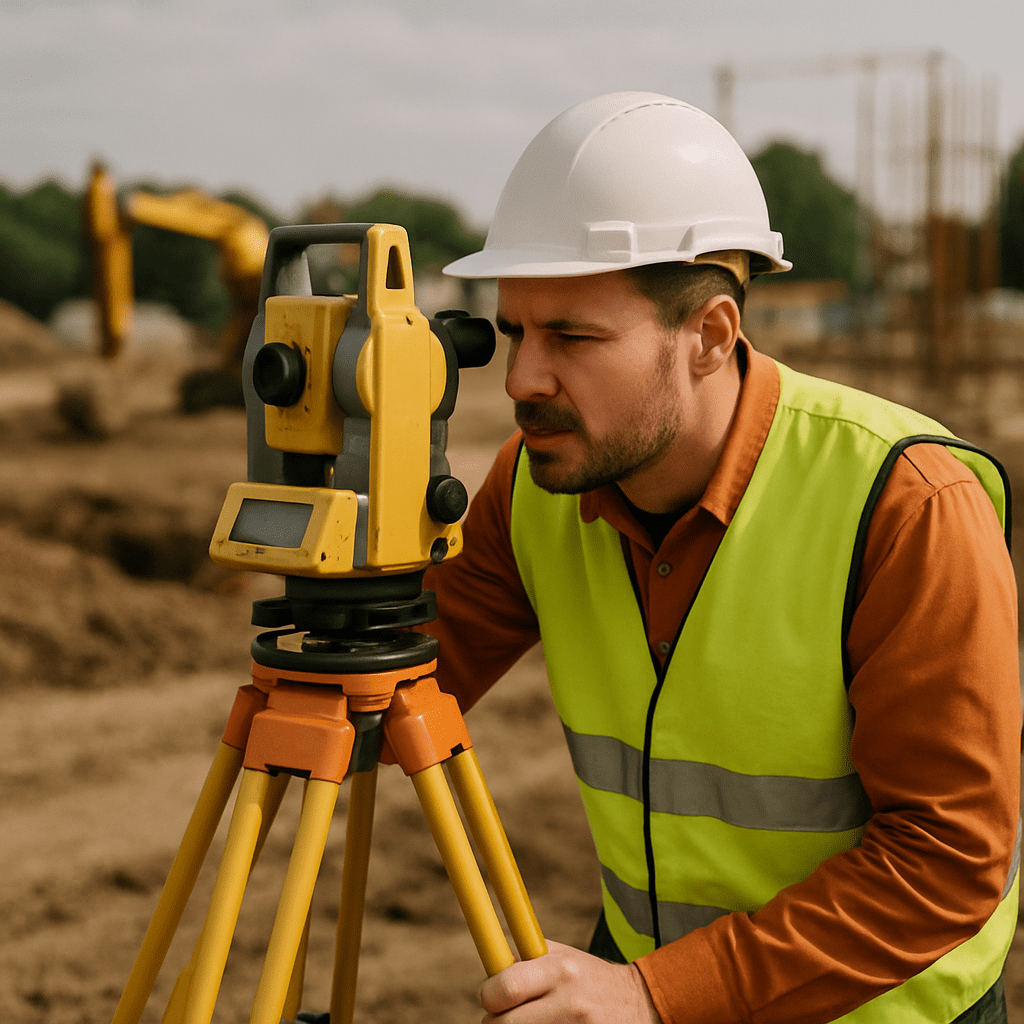
The process is usually simple, and it goes faster if you look for existing records first. FEMA recommends starting with your local floodplain manager; if no certificate is on file, you will need to hire a land surveyor, engineer, or architect licensed to certify elevation information.
1. Check whether one already exists
Ask the seller, prior owner, builder, insurance agent, and the floodplain office. In the City of Los Angeles, BOE stamps elevation certificates for permitted projects, so a recent permit history can point you to one. If the building has not changed and the map data still applies, an existing certificate may be acceptable.
2. Confirm the purpose
Tell your professional whether the certificate is for insurance, permitting, a sale, construction, or a FEMA application. A certificate based on construction drawings or an under-construction condition must be replaced with a finished-construction certificate once the building is complete.
3. Hire the right professional
In California, elevation certificates are typically prepared by a licensed land surveyor or a civil engineer authorized to practice land surveying. Ask whether they regularly prepare certificates in the City or County of Los Angeles, which vertical datum they will use (NAVD 88 for current FIRMs), and how they coordinate with BOE or LA County Public Works.
Provide the address, APN, prior surveys, approved plans, permit numbers, insurance declarations, and any older certificate. Mention gated access, hillside conditions, basements, crawlspaces, or enclosed areas below the lowest floor before the site visit.
5. Review the finished certificate
Check the address, building diagram number, flood zone, map panel and date, photographs, signature, and license number. Keep digital and paper copies with your closing, insurance, and building permit records.
What to ask before you order one
A little preparation prevents delays, especially when you are working against a closing date or an inspection:
- Is the certificate for insurance, permitting, construction, a sale, or a FEMA request?
- Has the City, County, seller, builder, or insurance agent already filed one?
- Is the building finished, under construction, or still on drawings?
- Has the home been raised, expanded, enclosed underneath, or substantially remodeled?
- Which FIRM panel and effective date apply to the property?
- Does BOE or LA County Public Works require additional documents?
- Who needs the final copy: insurer, lender, buyer, plan checker, or FEMA?
What an elevation certificate can and cannot do

An elevation certificate can clarify flood risk, support plan-check and inspection sign-off, and give insurers property-specific data. It can also support a FEMA map-change request when a structure appears to have been mapped into a high-risk zone incorrectly. It does not, by itself, change the flood map, waive a lender’s insurance requirement, or guarantee a lower premium.
FEMA explains that only a LOMA or LOMR-F can amend the FIRM and remove the federal mandatory flood insurance purchase requirement, and lenders may still require coverage after such a determination.
A smart step for Los Angeles property decisions
Flood maps show area-wide risk, while an elevation certificate documents the building-specific details maps cannot capture. If you are building, buying, selling, remodeling, or questioning a flood insurance requirement in Los Angeles, checking for an existing certificate is a smart first step. If one is not available, contact City or County floodplain staff and hire a qualified licensed professional.
Crest Real Estate’s permitting team works with LADBS, BOE, and LA County Public Works on entitlement and plan-check projects across Los Angeles. If floodplain review is holding up your project, contact us to talk through next steps.
This article is for general information and is not legal, insurance, or engineering advice. Requirements change, so confirm current rules with LADBS, BOE, LA County Public Works, FEMA, and your insurance professional. Sources: FEMA Elevation Certificate instructions, FEMA FloodSmart, LADBS Information Bulletin P/BC 2023-064, and LA County Public Works. Last reviewed October 2026.
Frequently Asked Questions
Usually not. FEMA says most policyholders do not need an elevation certificate to purchase NFIP flood insurance. However, an elevation certificate can provide building-specific information that may affect your premium, so it is worth asking your insurance agent whether one would help.
An elevation certificate should be prepared and certified by a licensed land surveyor, or a civil engineer authorized to practice land surveying in California. Architects may complete certain sections in some cases. Ask the professional how often they prepare certificates in the City or County of Los Angeles.
Look up the address on FEMA’s Flood Map Service Center to see the effective Flood Insurance Rate Map. You can also use the LA County Public Works Flood Zone Determination website, which shows FEMA flood zones and County Capital Flood floodplains for a parcel.
For projects in a FEMA Special Flood Hazard Area, the Bureau of Engineering reviews the design under the City’s Flood Hazard Management Ordinance. A BOE-approved elevation certificate or surveyor’s elevation map is typically needed to approve the top of foundations, and the lowest finished floor must be verified at completion before a Certificate of Occupancy is issued.
Not by itself. An elevation certificate is evidence. To change a property’s flood zone status, you would submit a Letter of Map Amendment (LOMA) or Letter of Map Revision Based on Fill (LOMR-F) to FEMA, often supported by certified elevation data. Even after FEMA approves a change, your lender may still require flood insurance.

Jason Somers, President & Founder of Crest Real Estate
With over 15 years of professional experience in the Los Angeles luxury real estate market, Jason Somers has the background, judgement and track record to provide an unparalleled level of real estate services. His widespread knowledge helps clients identify and acquire income producing properties and value-ad development opportunities.
Learn more about Jason Somers or contact us.