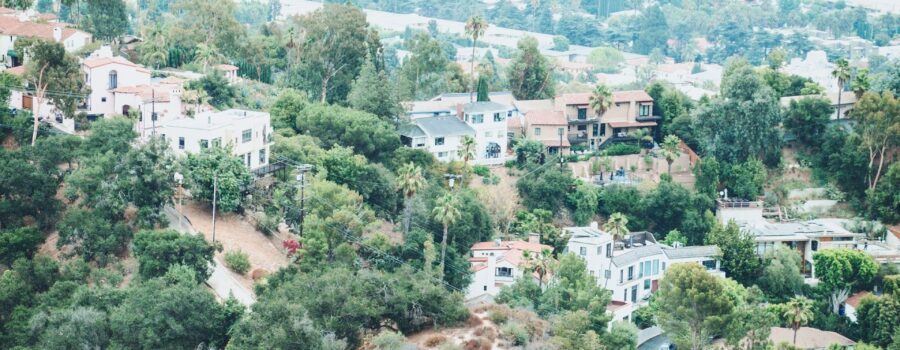
Hillside Construction in LA County: How the Permit Search Process Differs from the City
You might hold a Los Angeles mailing address, but that does not guarantee you actually live in the City of Los Angeles. According to seasoned local builders, the invisible boundary separating a lot in the Hollywood Hills (City) from a similar hillside property in Altadena (County) dictates entirely different rulebooks.
Conducting a reliable jurisdiction search—determining which specific government authority oversees your land—starts with a simple physical comparison: who collects your property taxes? Your tax bill instantly reveals if you reside in an Unincorporated County area, which is land completely outside official city borders. In practice, applying to the wrong building department based purely on a zip code is a costly mistake that regularly turns a standard three-month wait into a frustrating year-long odyssey.
Securing los angeles permits for your la county construction project requires knowing exactly which system holds your property’s history. City residents must submit plans to the Los Angeles Department of Building and Safety (LADBS), while unincorporated plots fall entirely under County Regional Planning.
The Hillside Area Overlay: Why Your Slope Multiplies Your Permit Complexity
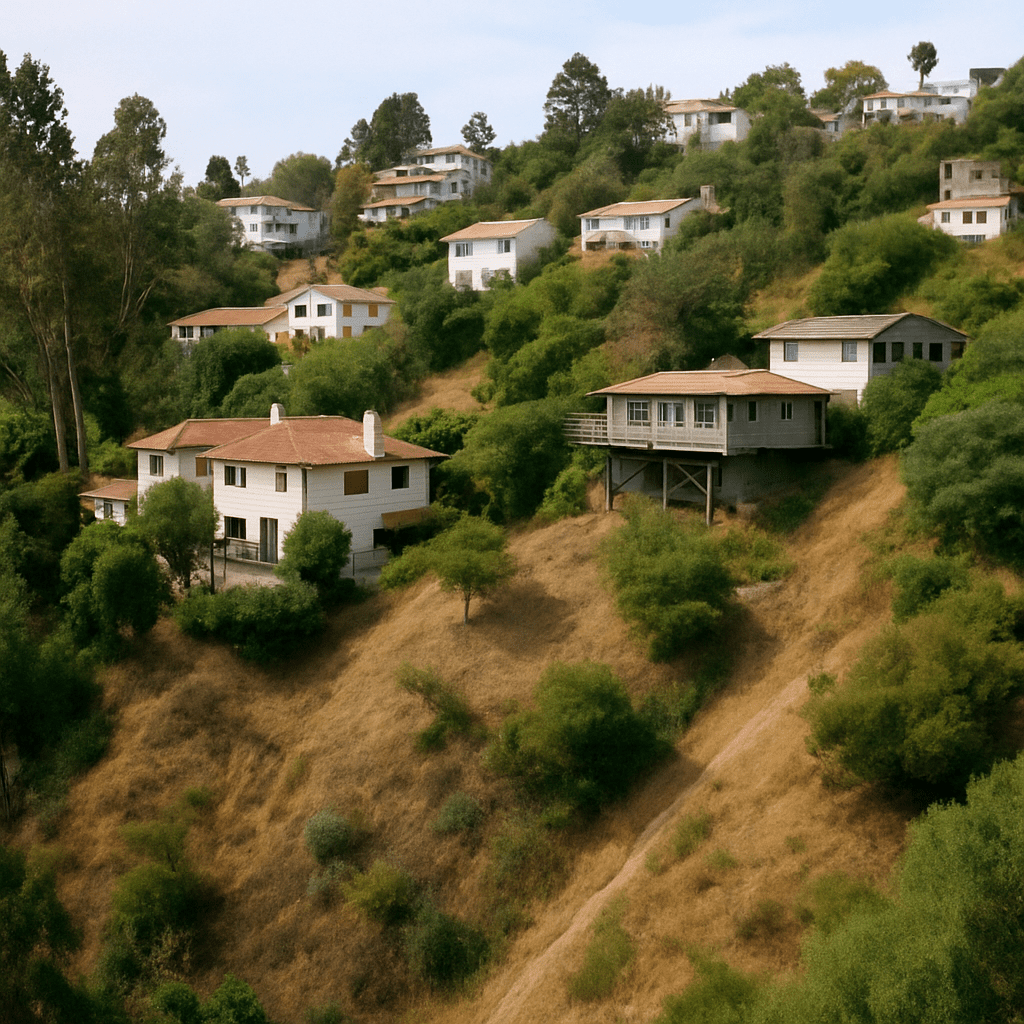
Think of your property as a map made of transparent layers. The bottom layer is the physical dirt. Over that, planning departments place “stickers,” or zoning overlays, that add specific rules to the land. If your property receives a “Hillside Area” sticker, you fall under a hillside ordinance. Your project instantly faces extra scrutiny because building on an incline constantly fights gravity.
The steeper the incline—a measurement called slope density—the harder gravity pulls. Under hillside area development standards LA County, agencies need proof your future deck won’t slide away. They apply these hillside designations based on three critical factors:
- Slope percentage: Inclines over 15% automatically trigger strict reviews.
- Proximity to seismic zones: How close the land is to known earthquake faults.
- Soil stability classification: Whether the earth is solid bedrock or loose, landslide-prone dirt.
Fulfilling these geotechnical report requirements is your first major hurdle. A Geotechnical Report (or soils report) is essentially a medical record for your land’s health, telling engineers exactly how deep they must dig to anchor a foundation safely. Once you understand the physical realities of the site, your next step is uncovering what past owners left behind in the municipal archives.
Confirming your hillside lot sits within city limits brings you to ZIMAS (Zone Information and Map Access System). Typing your address into this free municipal portal reveals the invisible hazard layers mentioned earlier. A quick zimas permit search pulls up specific seismic fault lines and landslide vulnerability zones for your footprint, telling your architect exactly which strict safety standards will apply to your project.
Digging deeper into the site’s history requires accessing the city’s digital filing cabinet: the Internet Document Research System (IDRS). Think of IDRS as a detailed historical log for your land. Navigating the hillside construction permit process means searching here for old grading permits to verify if previous owners legally compacted the soil. Without these historical documents, you might be forced to pay for expensive new soil testing just to prove an old retaining wall is safe.
The most crucial paper to find in this database is the Certificate of Occupancy. This document proves an existing structure was legally finished and deemed safe for habitation by inspectors. Understanding who issues this approval highlights the strict jurisdictional divide of LADBS vs LA County Department of Public Works. The Los Angeles Department of Building and Safety (LADBS) handles this for city lots, while a completely different agency manages neighboring unincorporated land.
Finding clear records through these city portals lets you begin designing with confidence. However, if your address comes up completely blank, your property taxes might actually pay for county services instead. This reality requires abandoning city tools entirely and shifting your focus to county-specific databases.
The EPIC-LA Odyssey: How to Research Permits in Unincorporated LA County
Realizing your property falls outside city limits means trading centralized archives for a wider net. The Los Angeles County Department of Regional Planning permit lookup process relies on different tools because the county manages a massive, geographically scattered area, meaning records are often decentralized across various district offices.
Before digging for historical documents, you need a specific digital key: the Assessor Parcel Number (APN). Think of the APN as your land’s Social Security Number. You find this nine-digit code using GIS-NET, the county’s interactive mapping system. Like laying transparent sheets over a paper map, GIS-NET reveals your property’s specific hillside zoning overlays, showing exactly which local rules will dictate your future deck or addition.
Armed with your APN, you can safely launch an unincorporated LA County building permit search. This investigation happens inside the EPIC-LA permit portal, the county’s primary digital filing cabinet for tracking property history. Follow this sequence to navigate the system effectively:
- Register an account: You must create a free public login to access detailed historical attachments.
- Search by APN: Rural hillside addresses are notoriously unreliable in databases; always enter your parcel number instead.
- Request documents: Check the “Records” tab for recent approvals, or use the system to submit a formal request for older, un-digitized blueprints.
Sometimes, retrieving older files requires calling the specific County District Office assigned to your hillside neighborhood. Once you finally unearth these archives, you must review them carefully to determine the site’s legal standing and physical stability.
Grading vs. Building: Deciphering the Two Most Important Documents for Hillside Stability
You might assume one permit covers your project, but hillside construction splits work into two categories: the dirt and the structure. A Building Permit dictates the physical house or deck. Conversely, grading permit basics revolve entirely around the earth. Whenever you cut into a slope or add soil to fill a dip, you are “grading,” which requires strict oversight to prevent landslides.
Because a safe house cannot sit on unstable ground, grading approval always precedes building approval. In unincorporated areas, this creates a bureaucratic hand-off. The Department of Public Works evaluates your soils report, while Regional Planning handles structural zoning. The routing of these applications highlights the difference between city and county systems; while city projects usually stay inside one centralized department, the county process requires navigating between distinct engineering and planning agencies.
Uncovering historical earthwork is the most critical step in the hillside construction permit process la county dictates for safety. Past grading documents act as undeniable proof that the slope was properly secured previously. If that record is missing, you might inherit a dangerous, unpermitted hillside. This reality makes it essential to scrutinize past approvals for hidden violations before proceeding.
Unearthing Hidden Violations: How to Spot Red Flags Before You Buy or Build
Imagine buying a scenic lot only to discover the previous owner built a massive retaining wall without a single permit. On a hillside, this isn’t just a paperwork issue; it is a structural liability that triggers immediate action from local Code Enforcement. When inspectors catch illegal earthwork or un-engineered structures, they issue an order to comply LA officials use to halt construction and force property owners to fix the hazard. This document acts as a glaring red flag, signaling that you might be responsible for expensive, retroactive legalization to bring the site up to modern safety standards.
Navigating the digital archives is the only way to ensure you aren’t inheriting someone else’s expensive mistake. An effective open violations search requires plugging your address into either the City’s LADBS portal or the County’s EPIC-LA system to hunt for active cases. You are looking specifically for uncleared citations or stalled permit applications indicating the previous owner bypassed proper approvals.
To definitively clear a parcel’s history, you can formally request a zoning verification letter for hillside properties from the planning department. This official document confirms exactly what structures are legally recognized on your specific patch of dirt, wiping away the guesswork of past jurisdictions. Once you know your land is legally sound and free of hidden enforcement traps, you are ready to establish a clear roadmap before hiring an architect.
Your Hillside Permit Roadmap: 3 Steps to Take Before Hiring an Architect
You now know a Los Angeles mailing address doesn’t automatically dictate your building rules. By identifying whether your land falls under City or County jurisdiction, you can bypass the confusion of overlapping systems and hidden building code differences. You are no longer guessing where to look; you know exactly how to retrieve the correct historical files for your hillside property.
Before navigating the complex layers of a hillside management ordinance or paying for architectural drawings, use this LA county permit guide checklist to avoid “Permit Purgatory”:
- Verify your exact jurisdiction: Confirm whether you are City or unincorporated County so you search the correct digital portal.
- Gather the history: Create a physical or digital folder of all historical permits found for your lot.
- Spot constraints early: Save thousands of dollars by identifying site constraints—like old grading violations—early in the search process.
Building on a slope is undoubtedly hard, but it isn’t impossible. By completing this upfront detective work and with the utilization of a local Los Angeles permit expediter, you empower your future contractors with the exact records they need to safely bring your hillside vision to life.

Jason Somers, President & Founder of Crest Real Estate
With over 15 years of professional experience in the Los Angeles luxury real estate market, Jason Somers has the background, judgement and track record to provide an unparalleled level of real estate services. His widespread knowledge helps clients identify and acquire income producing properties and value-ad development opportunities.
Learn more about Jason Somers or contact us.